
New Balance
Popular
See all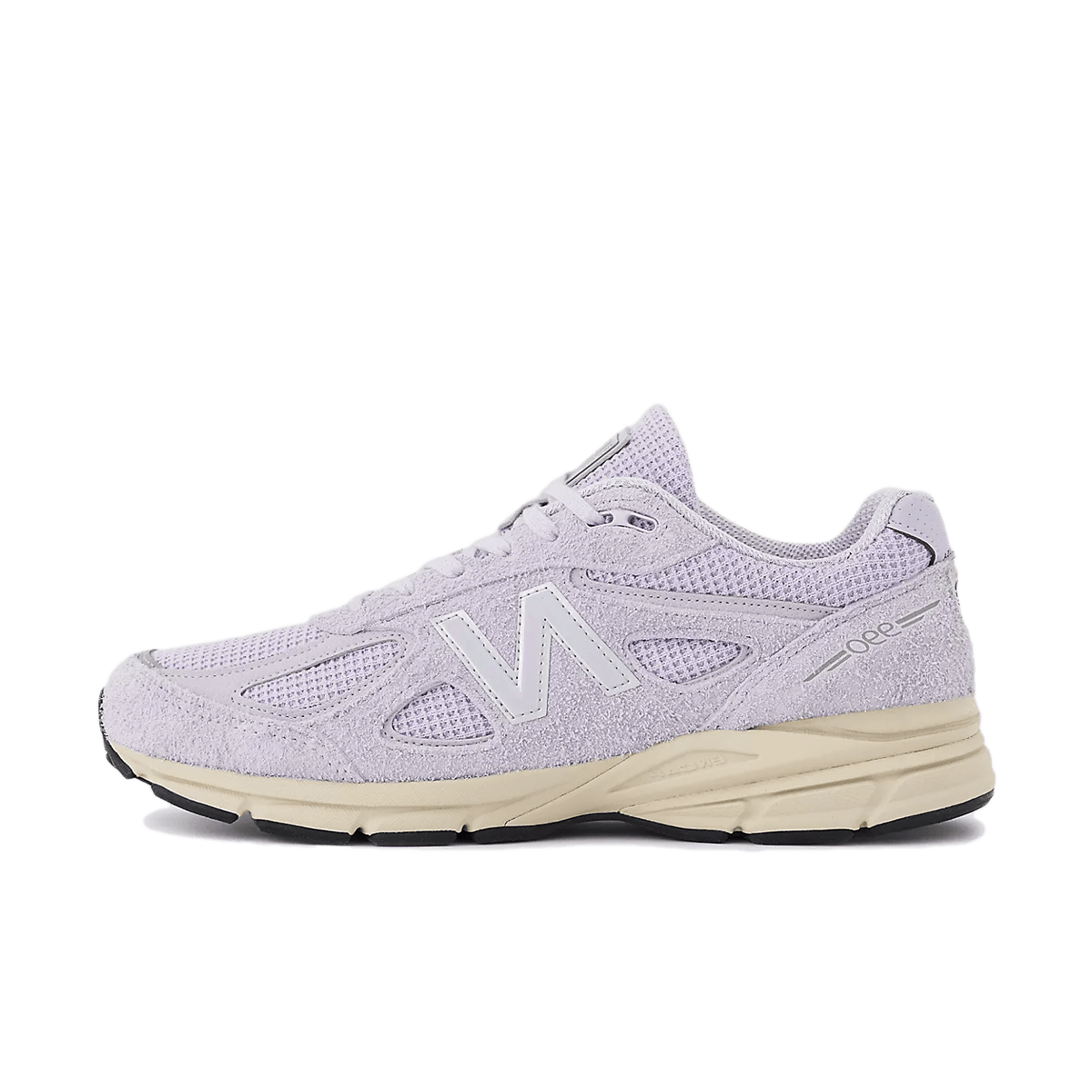

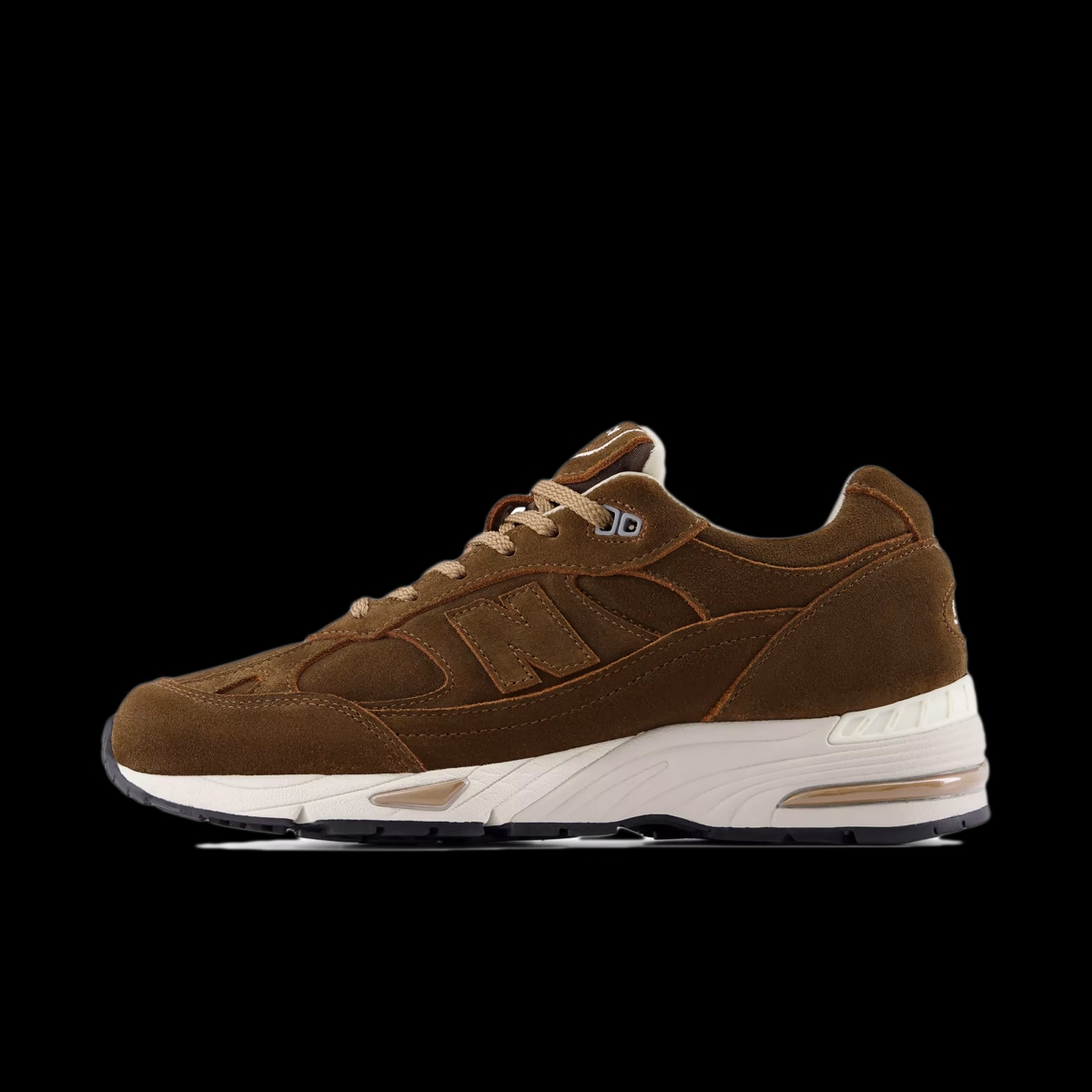
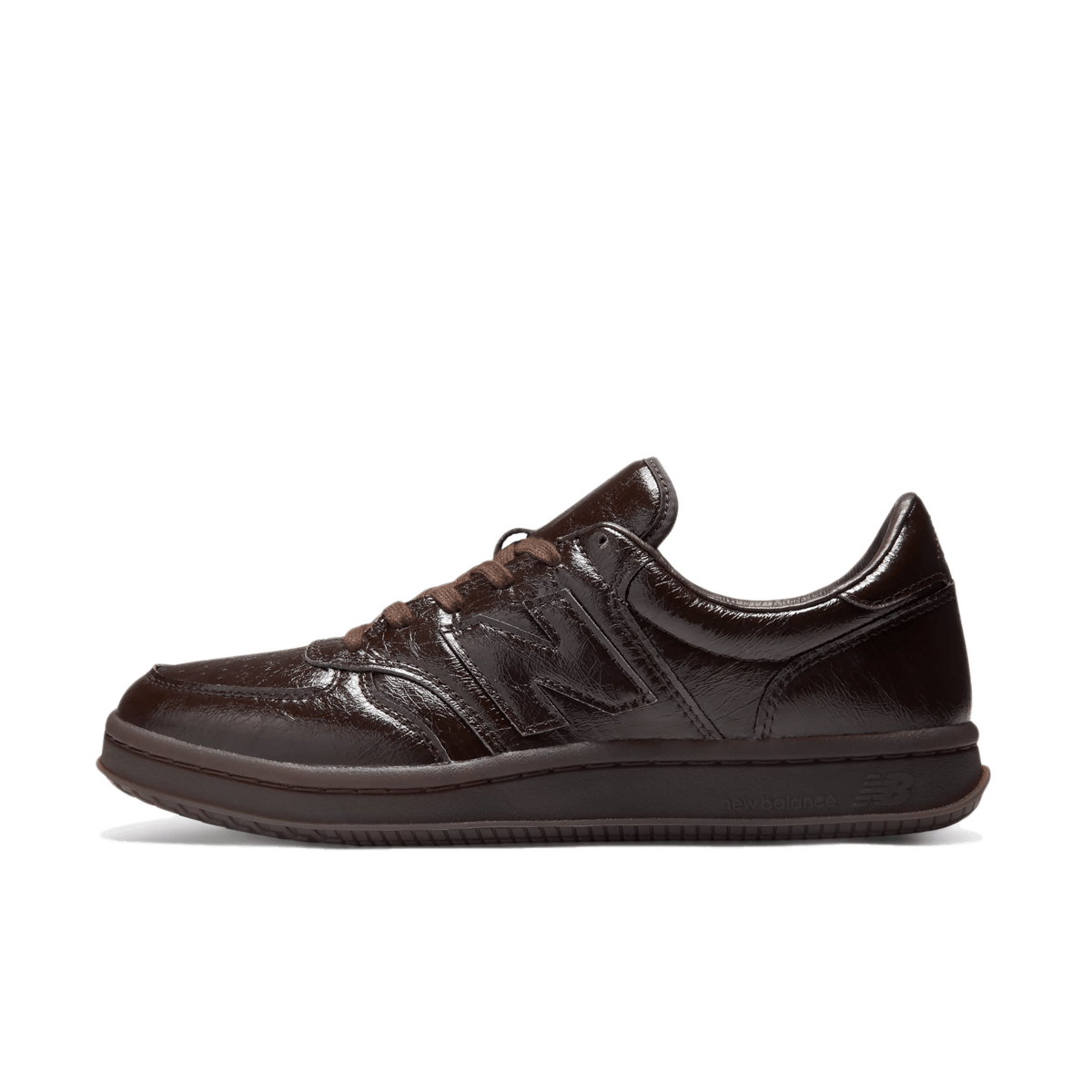
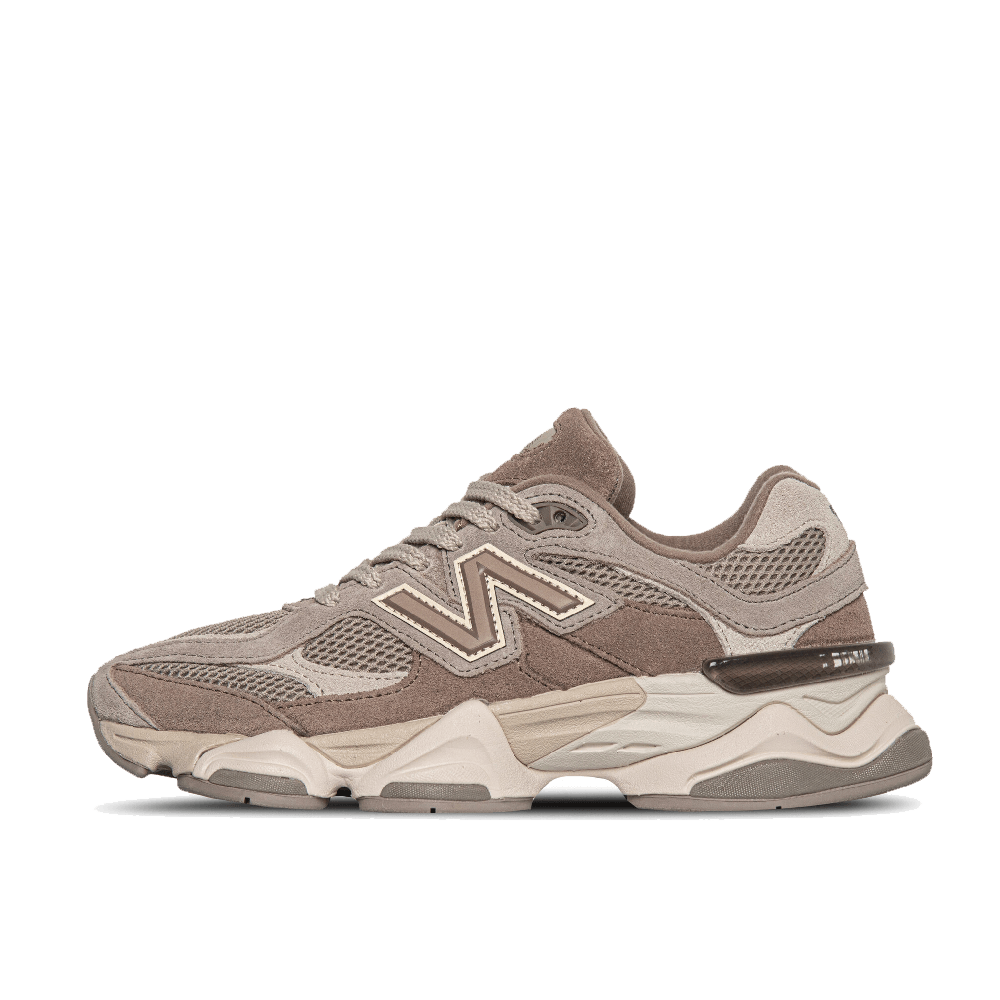
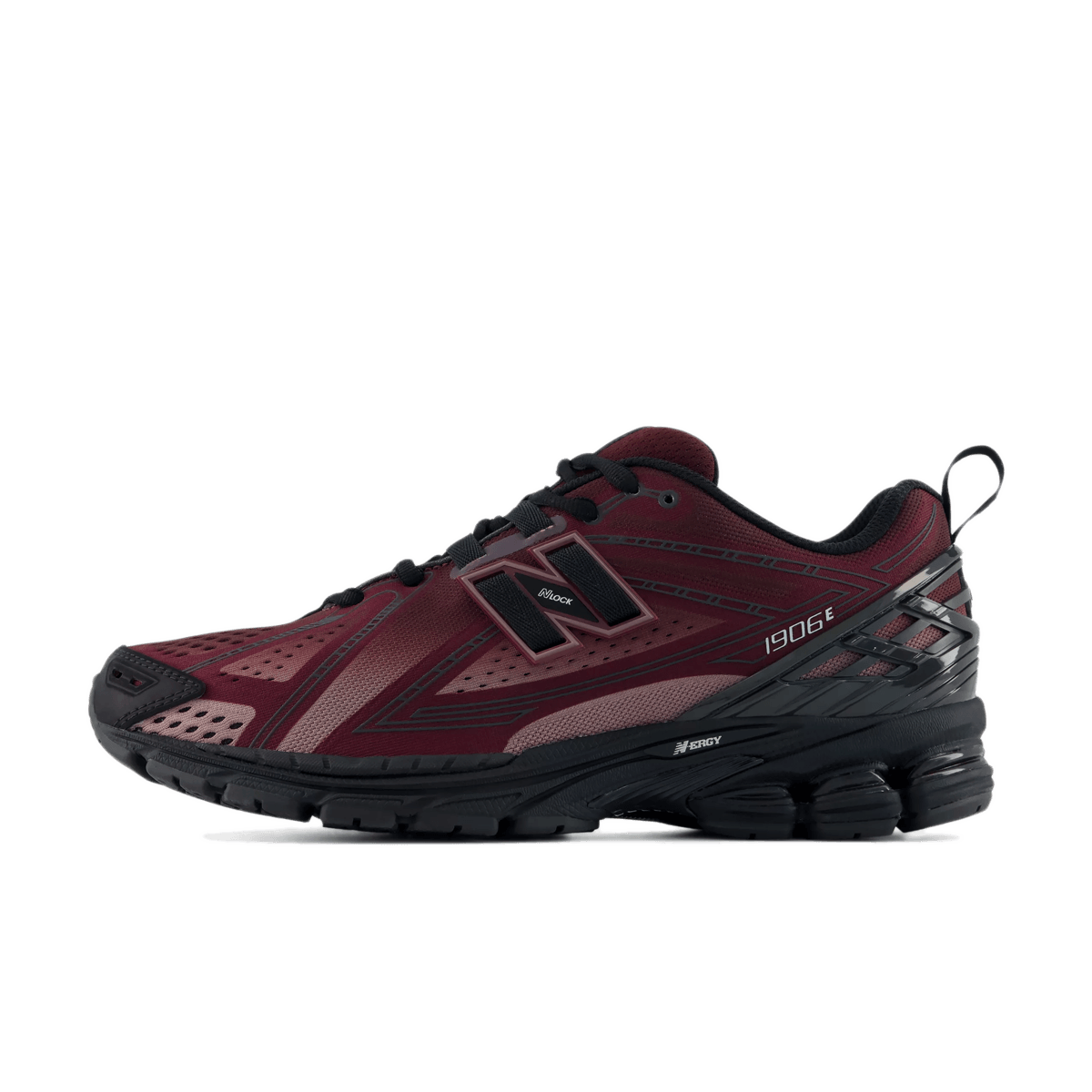
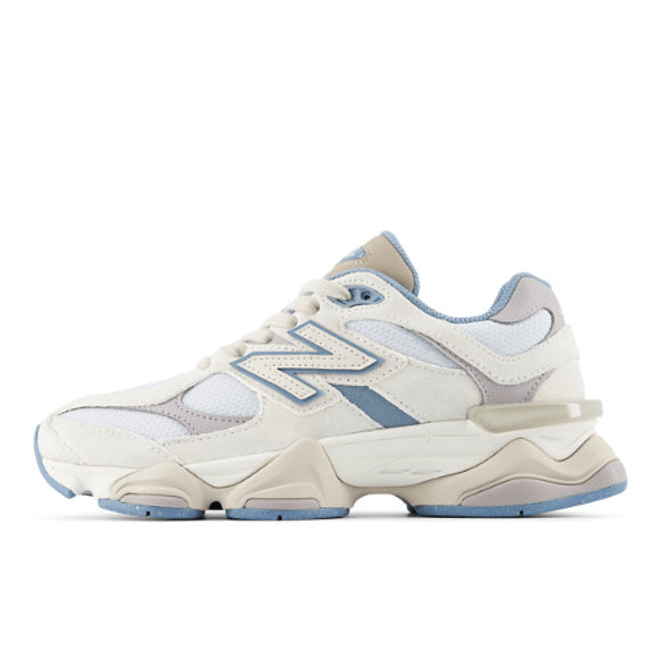
New Balance
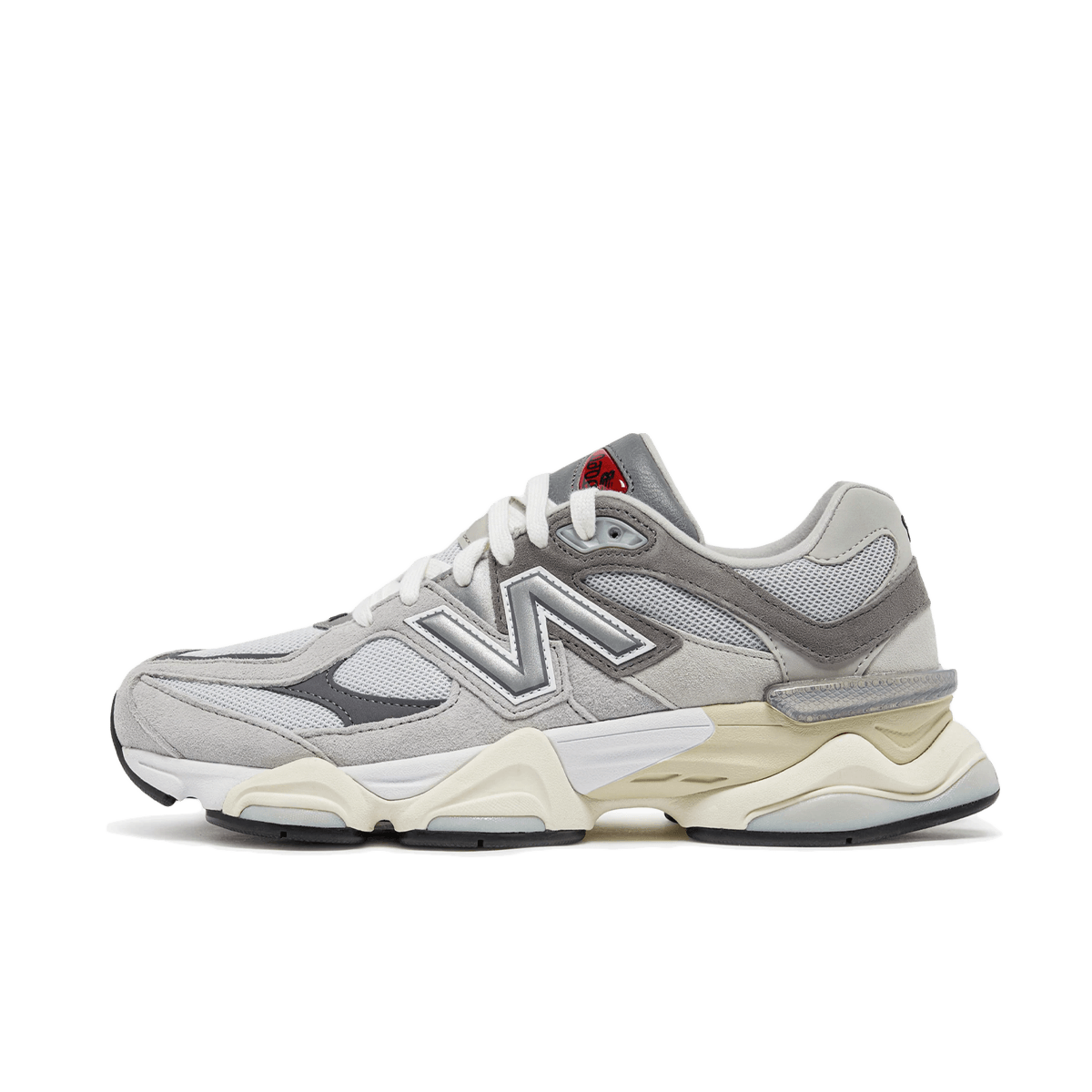
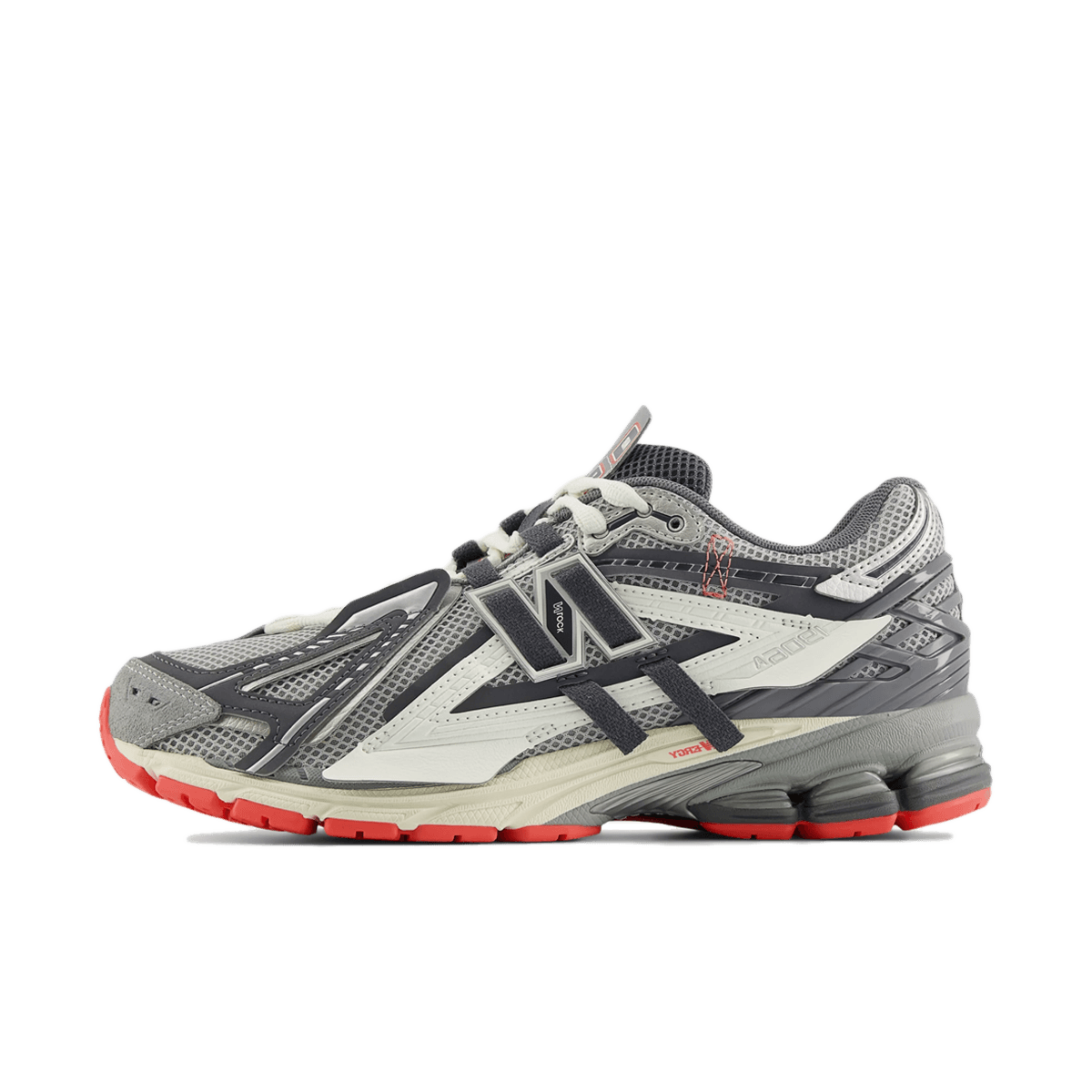
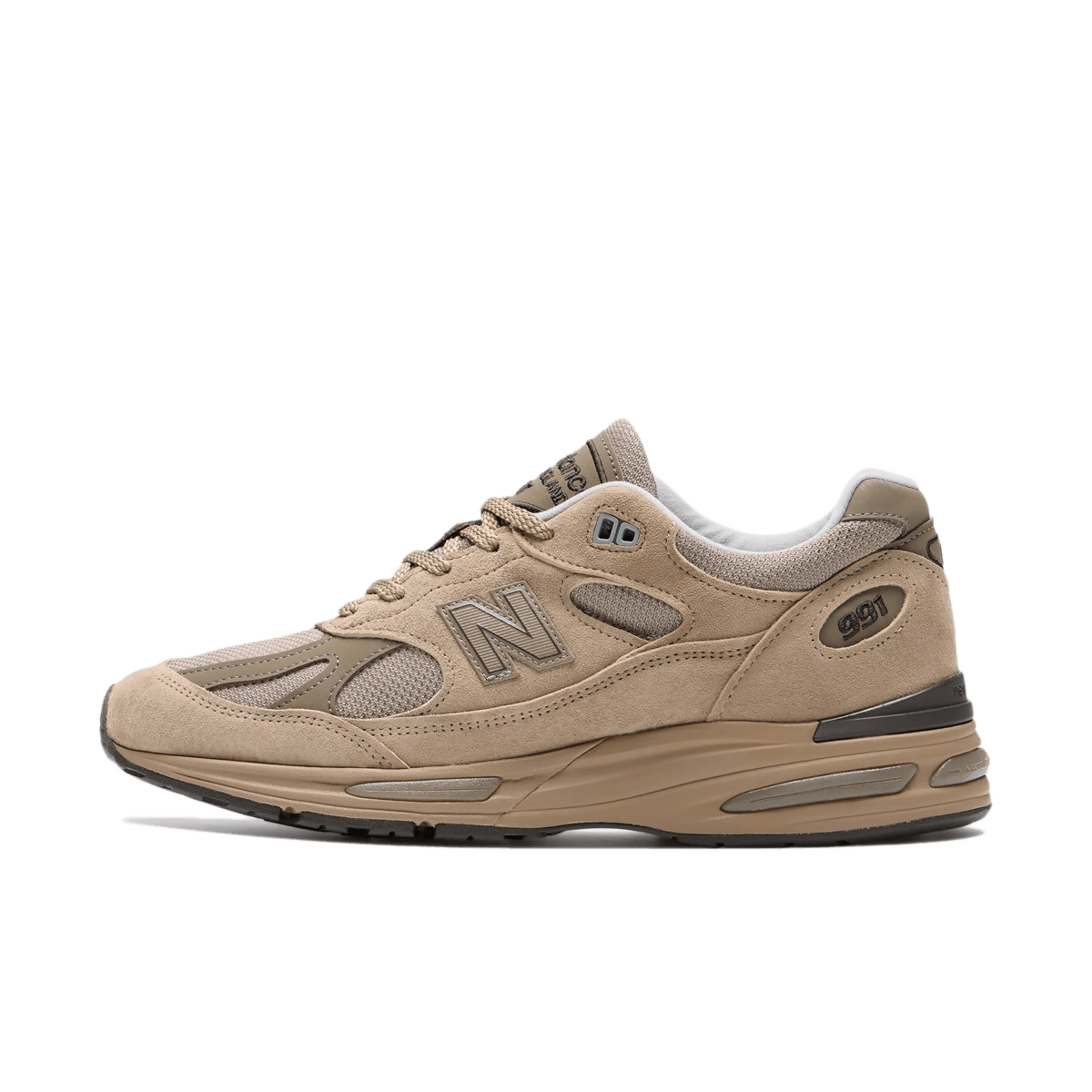
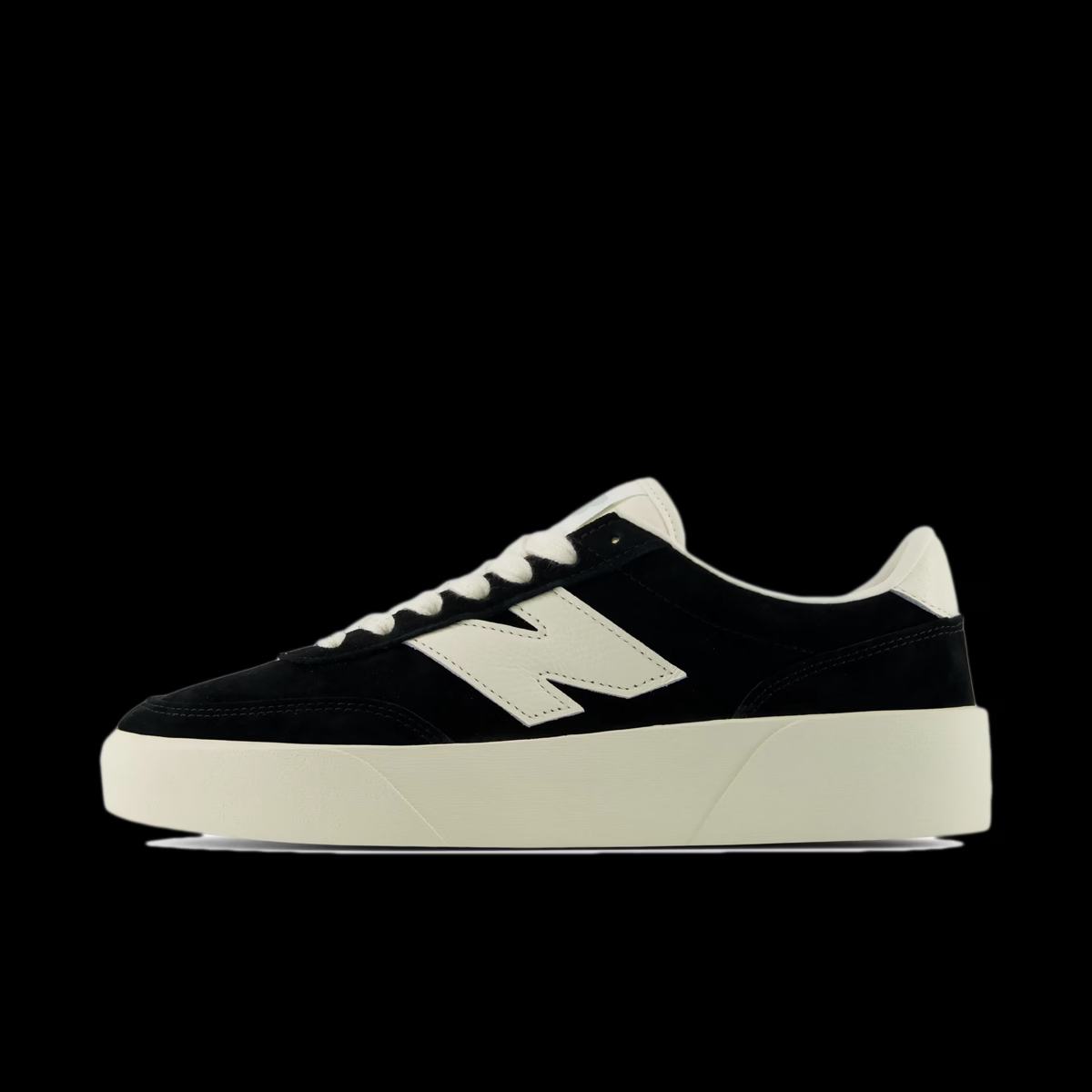
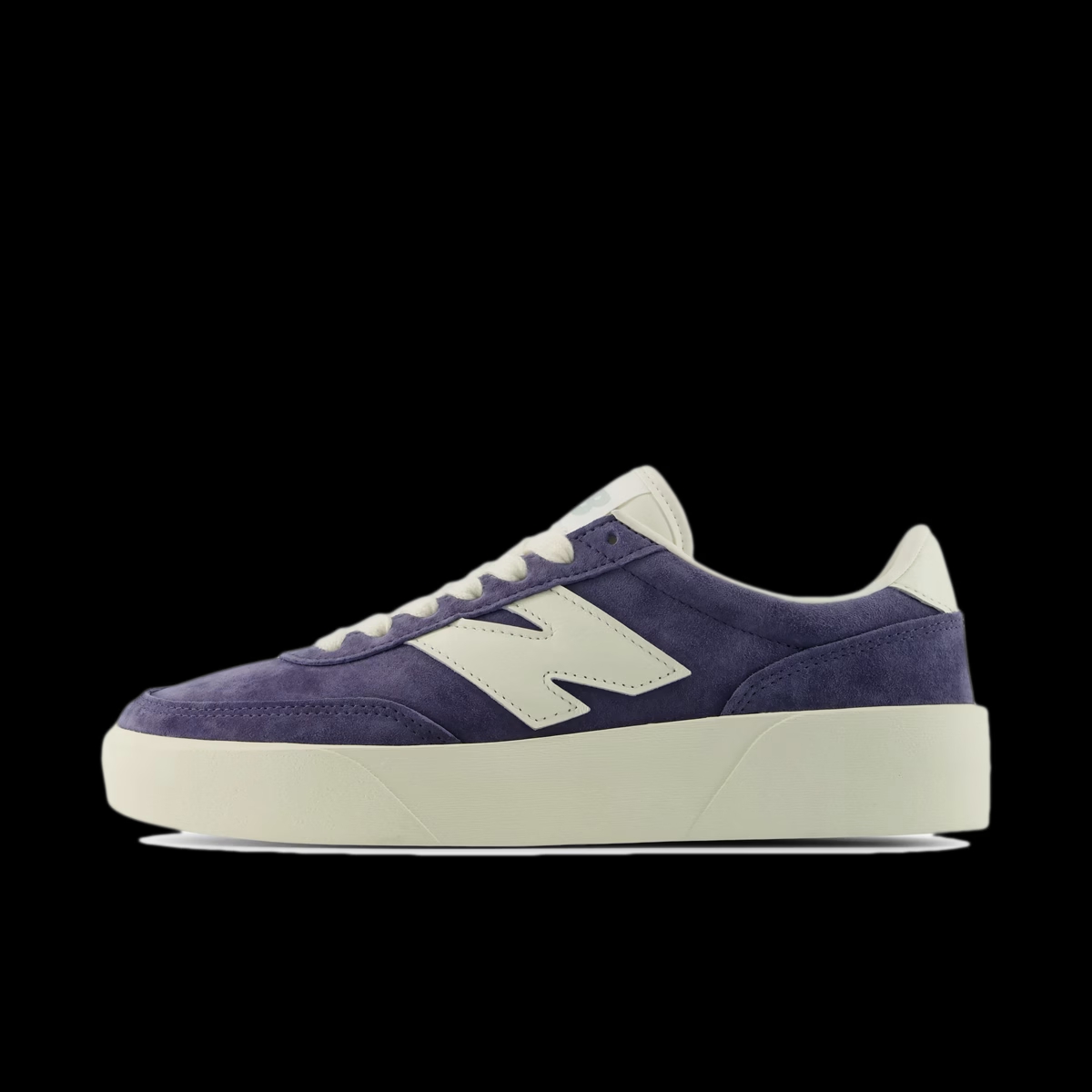
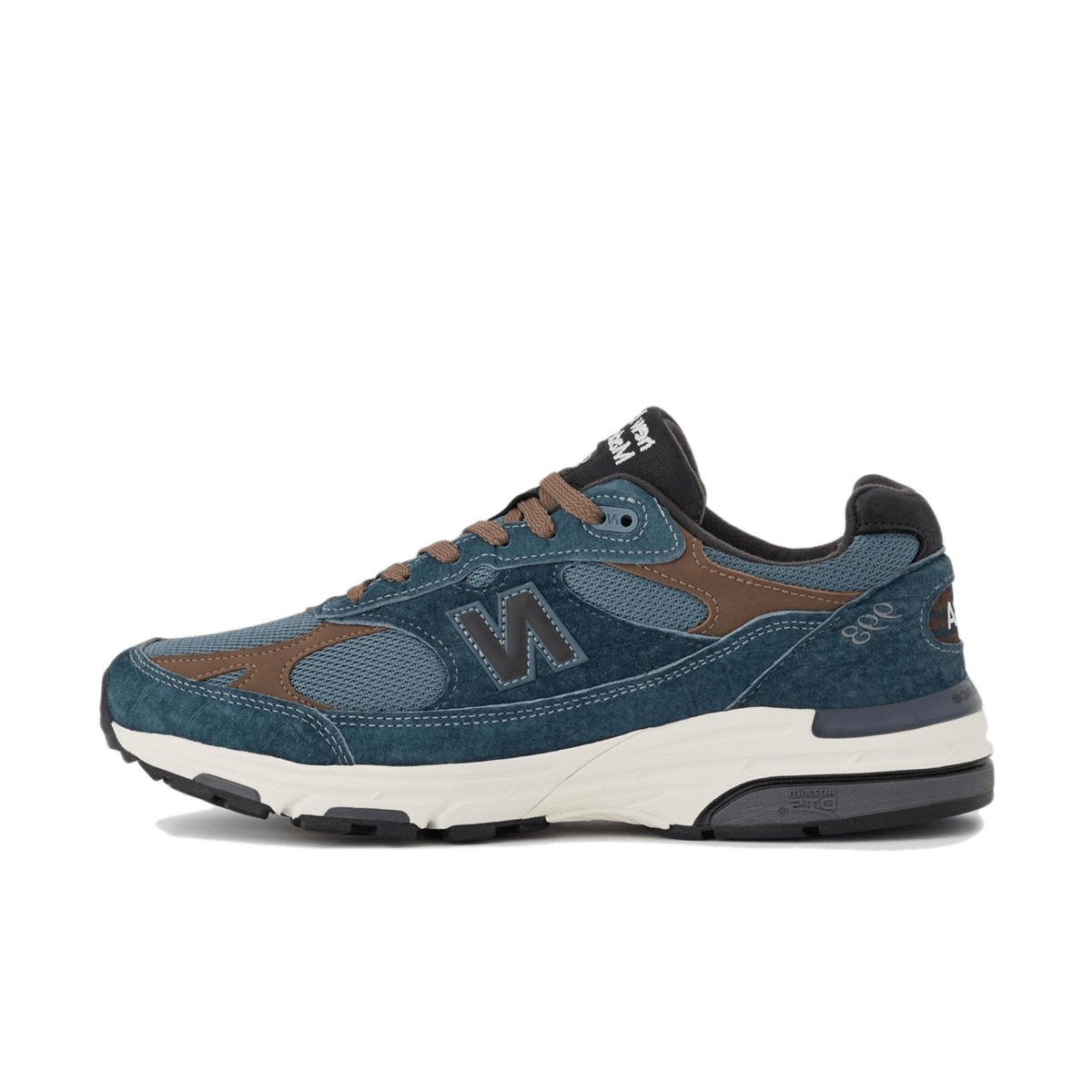
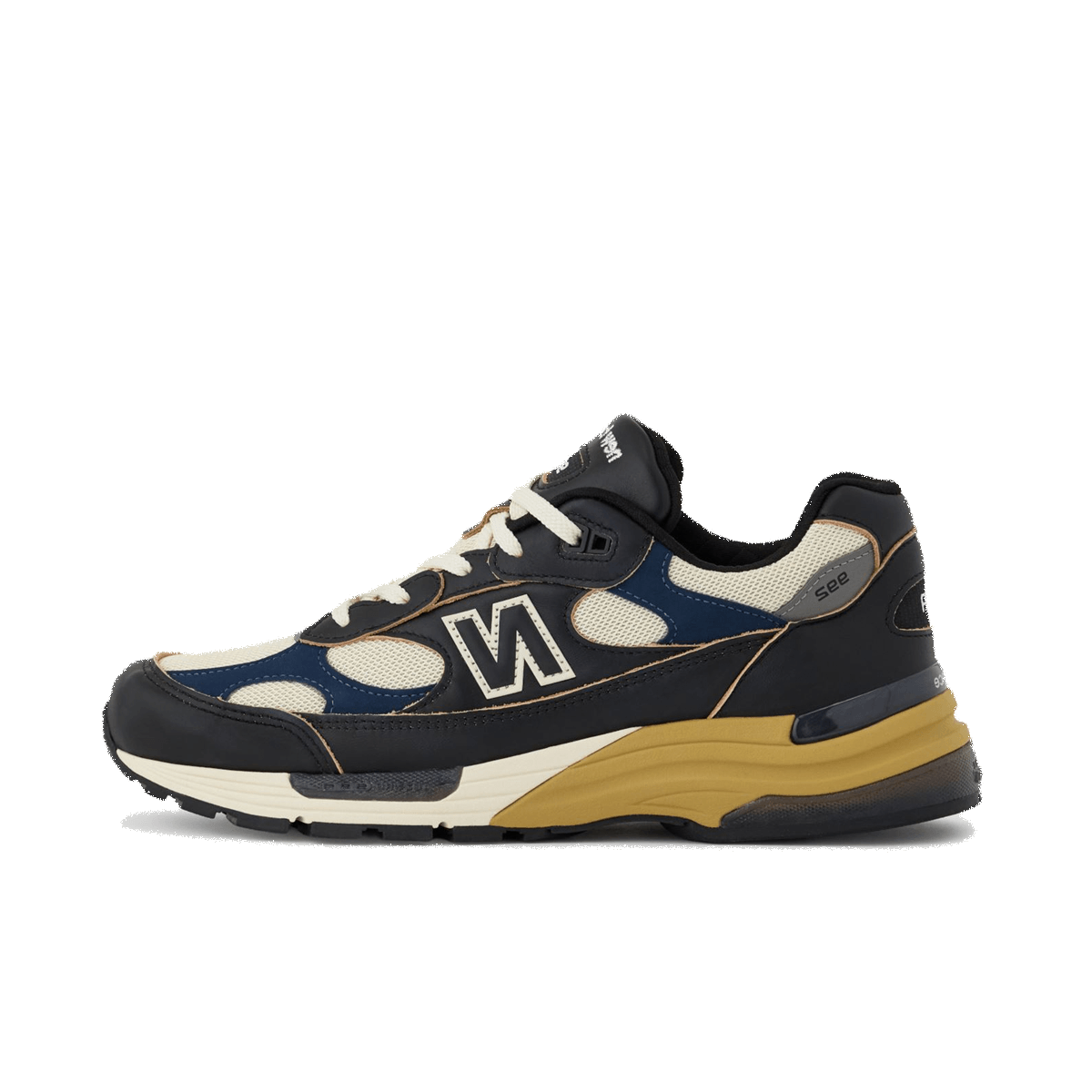
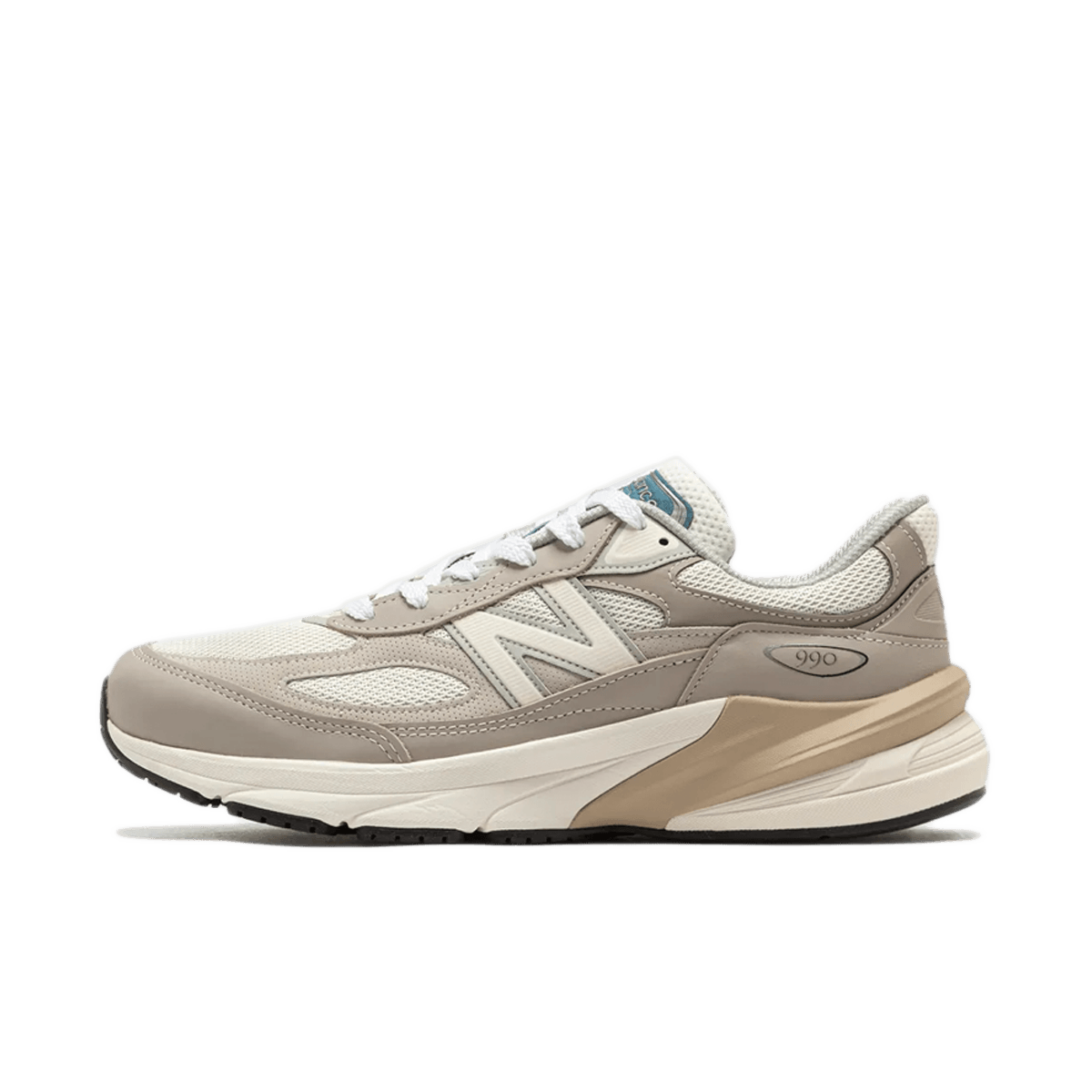
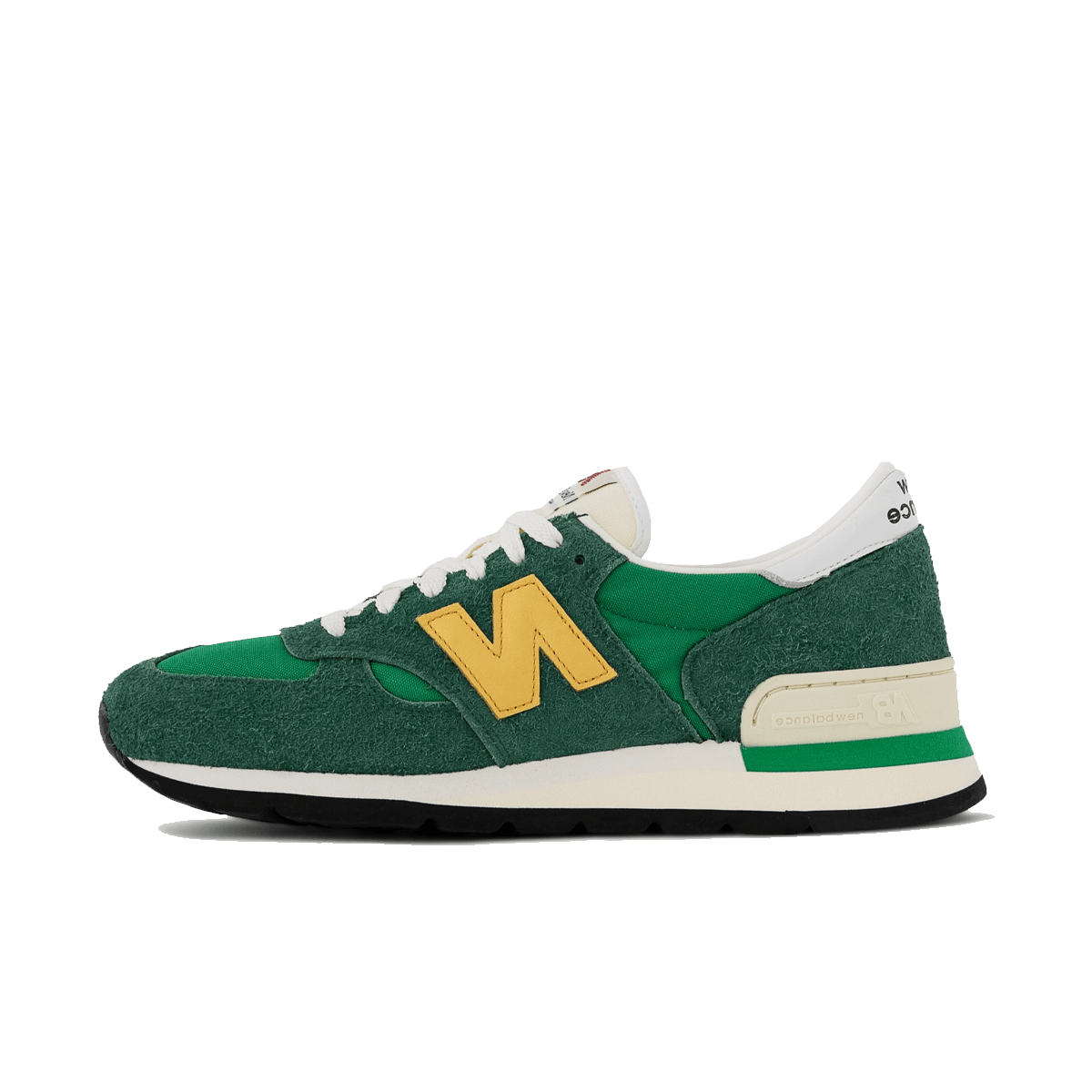
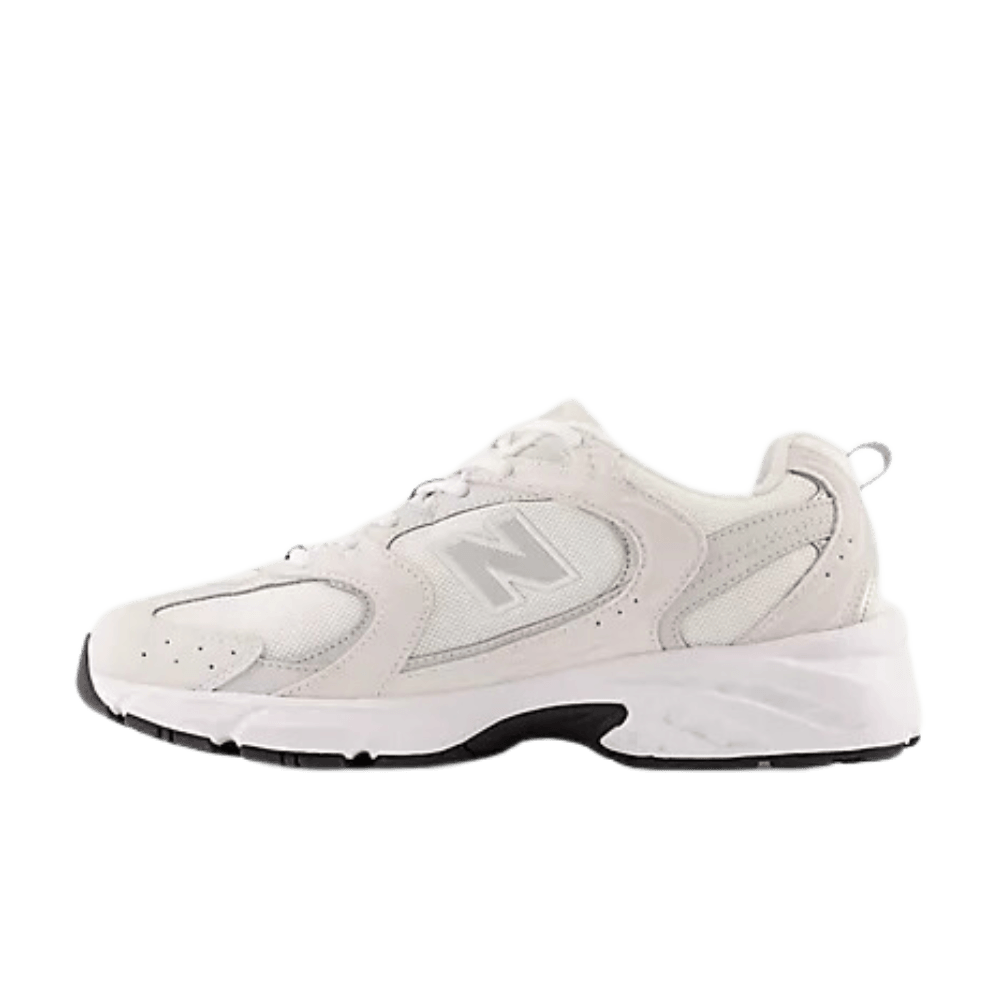
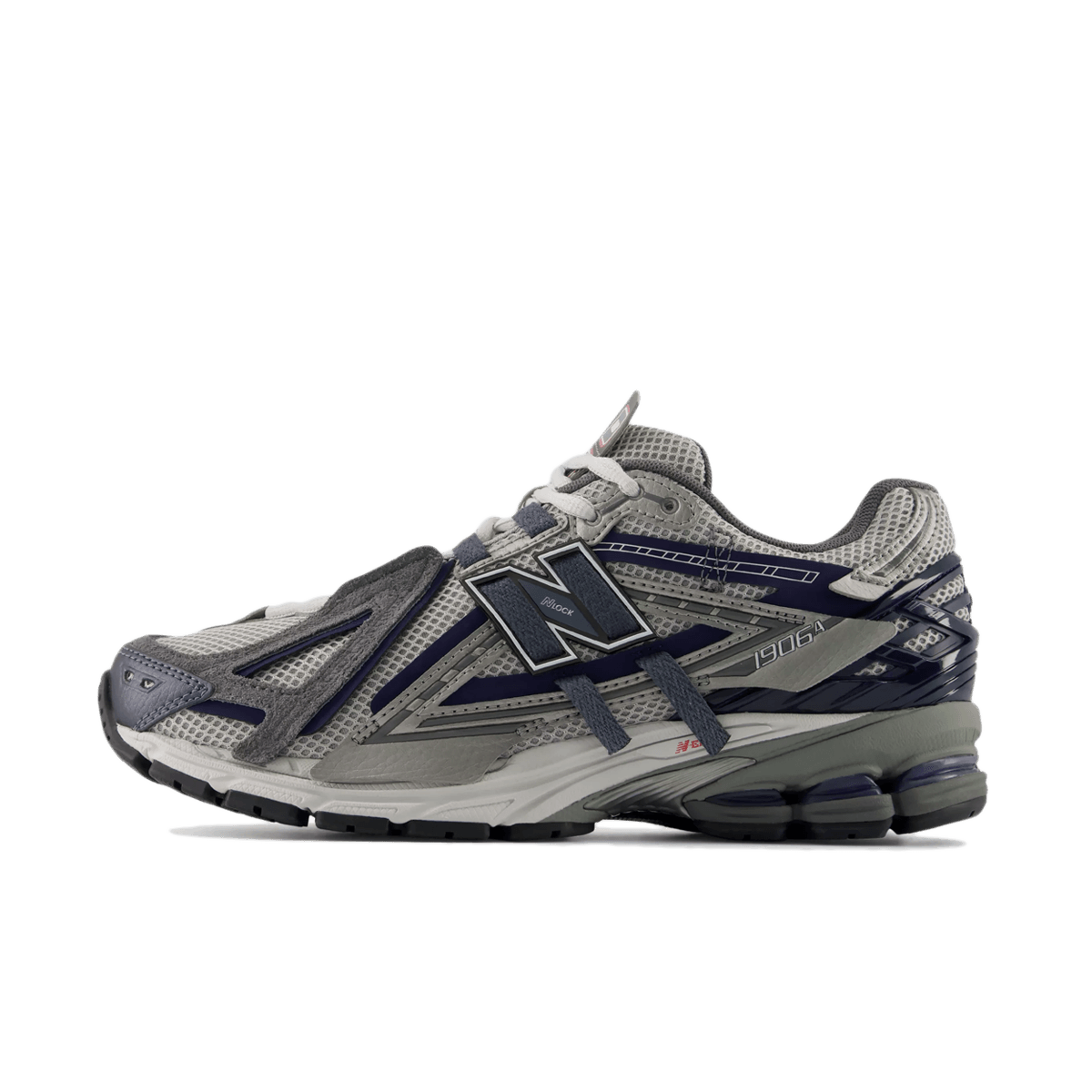
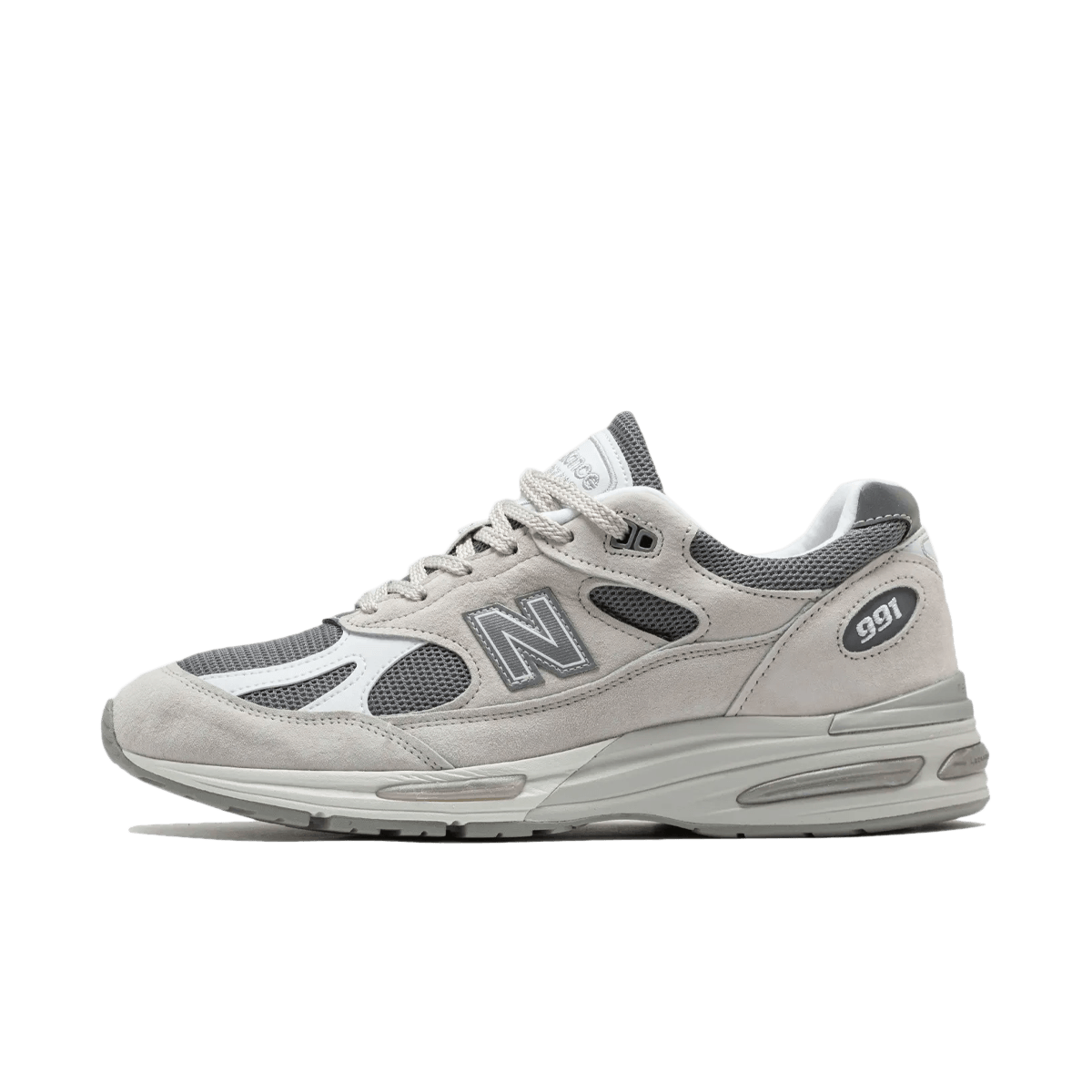
New Balance has successfully tapped into the retro sneaker trend by reissuing iconic sneakers that evoke nostalgia while incorporating contemporary updates. The 990 series and other iconic silhouettes from the brand have rekindled the interest of sneakerheads.
They have established a reputation for excellence as a result of their commitment to excellence, reliability, and integrity. Customers that are devoted to domestic manufacturing, especially in the US, and who appreciate the quality of locally produced goods are devoted to their brand. A devoted following has been developed as a result of this dedication to moral business conduct and client satisfaction, strengthening brand loyalty.
Popular Models
Shop AllRecent Releases
See all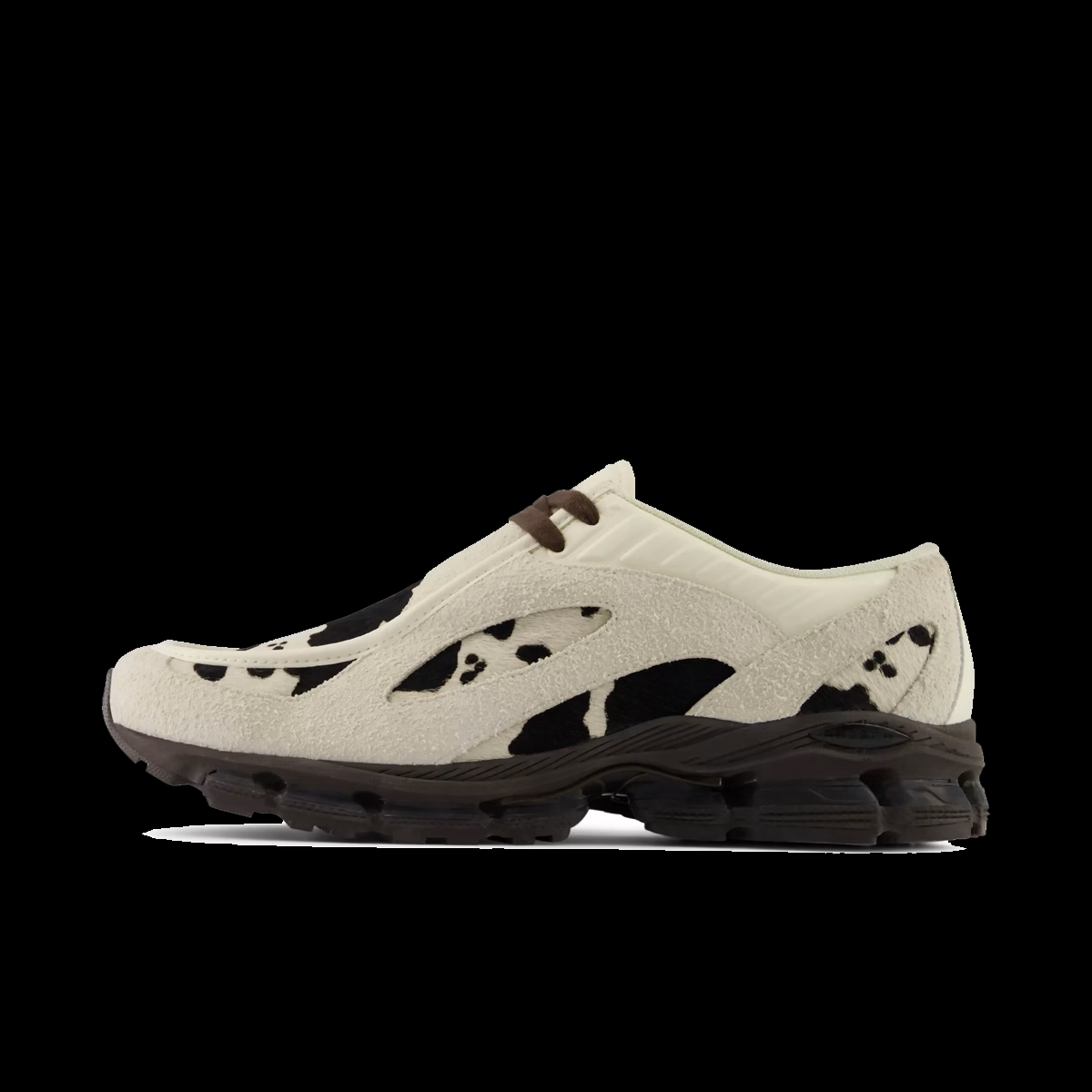
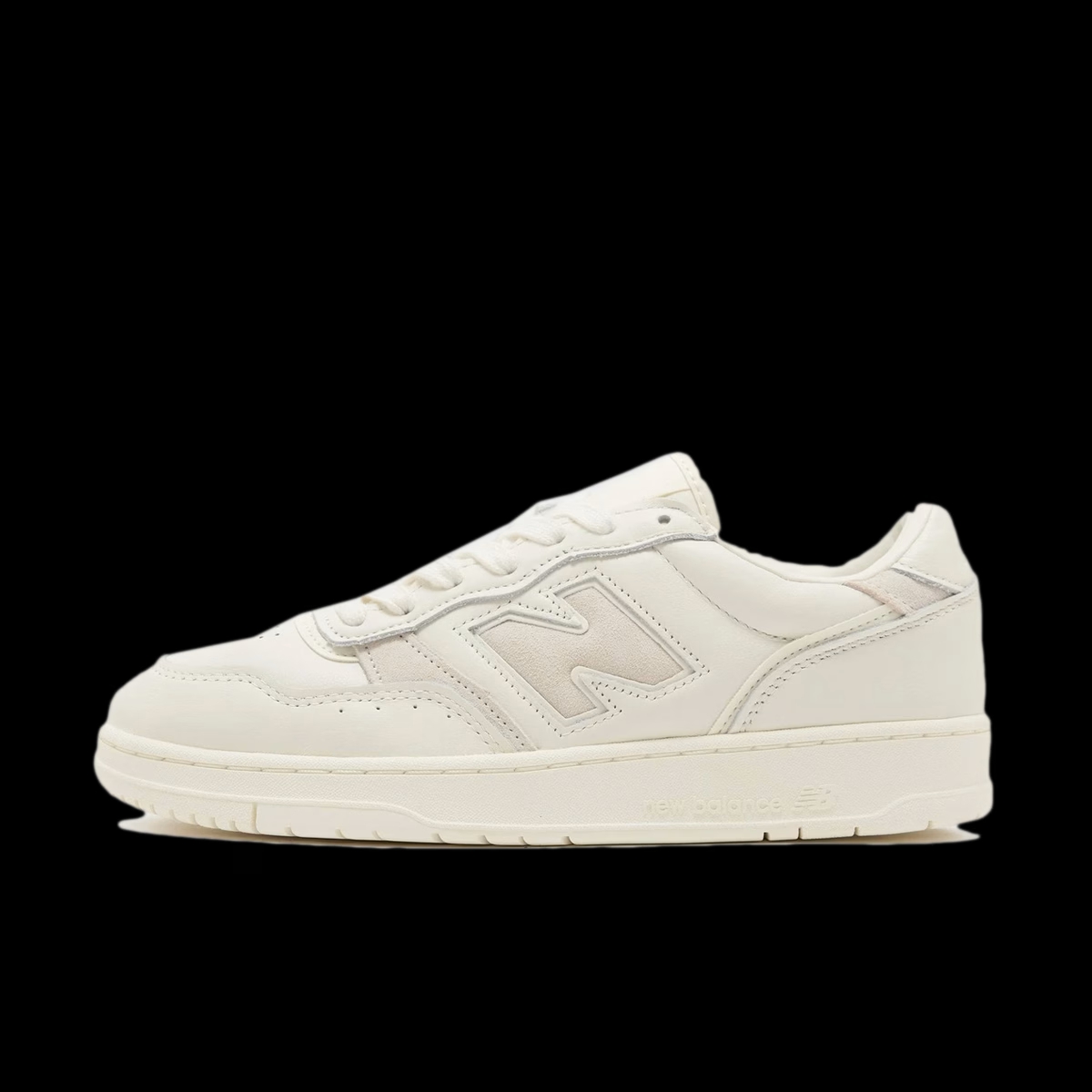
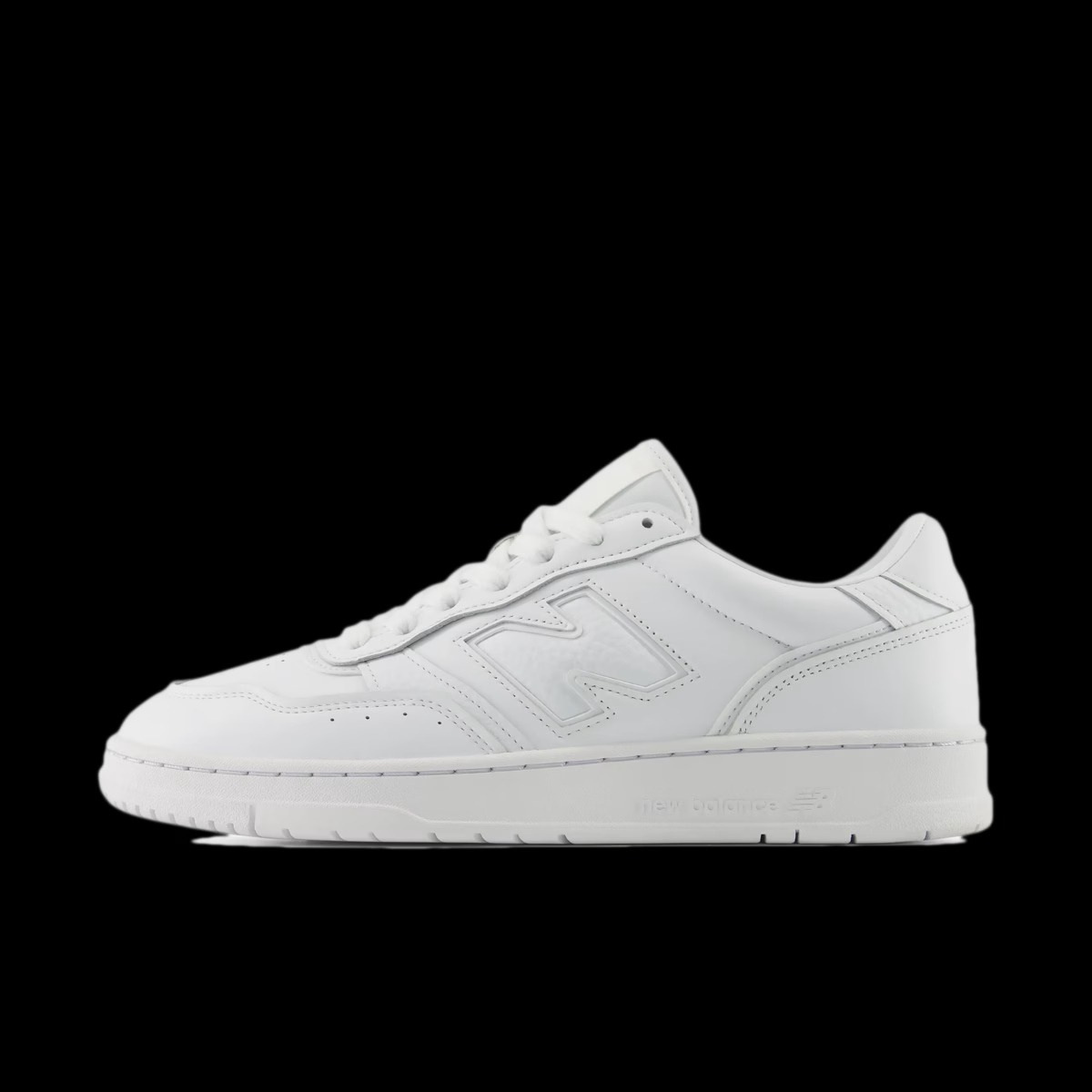
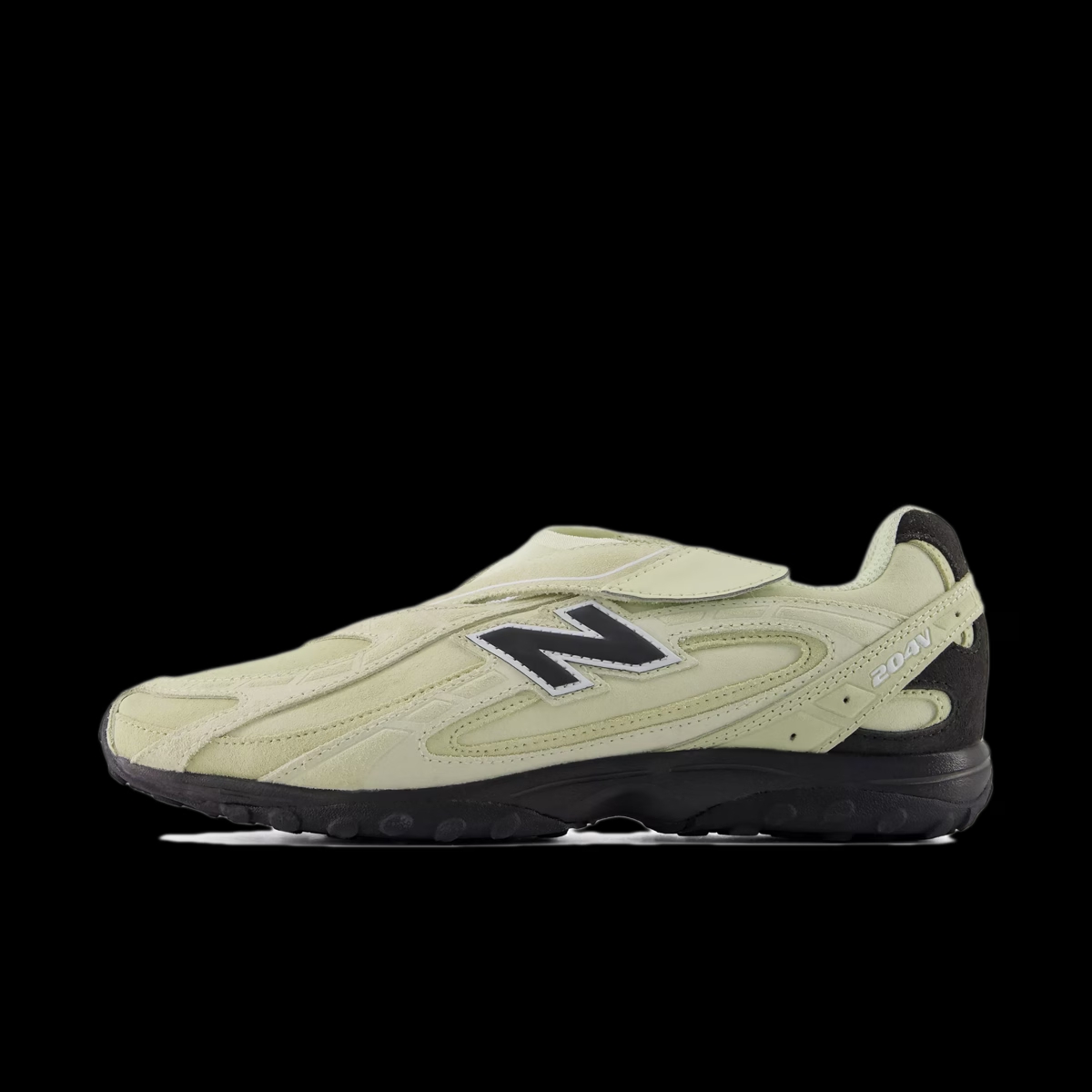
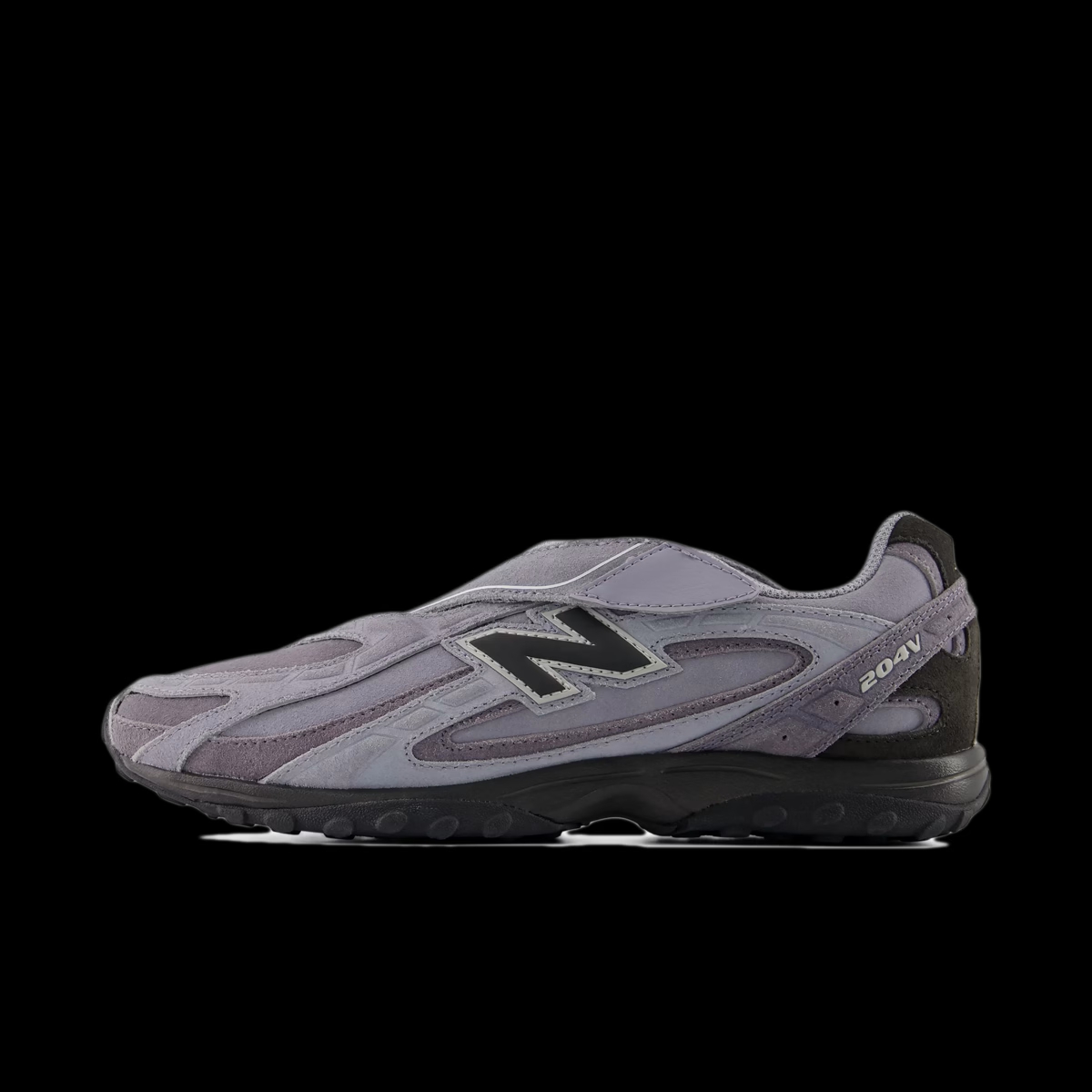
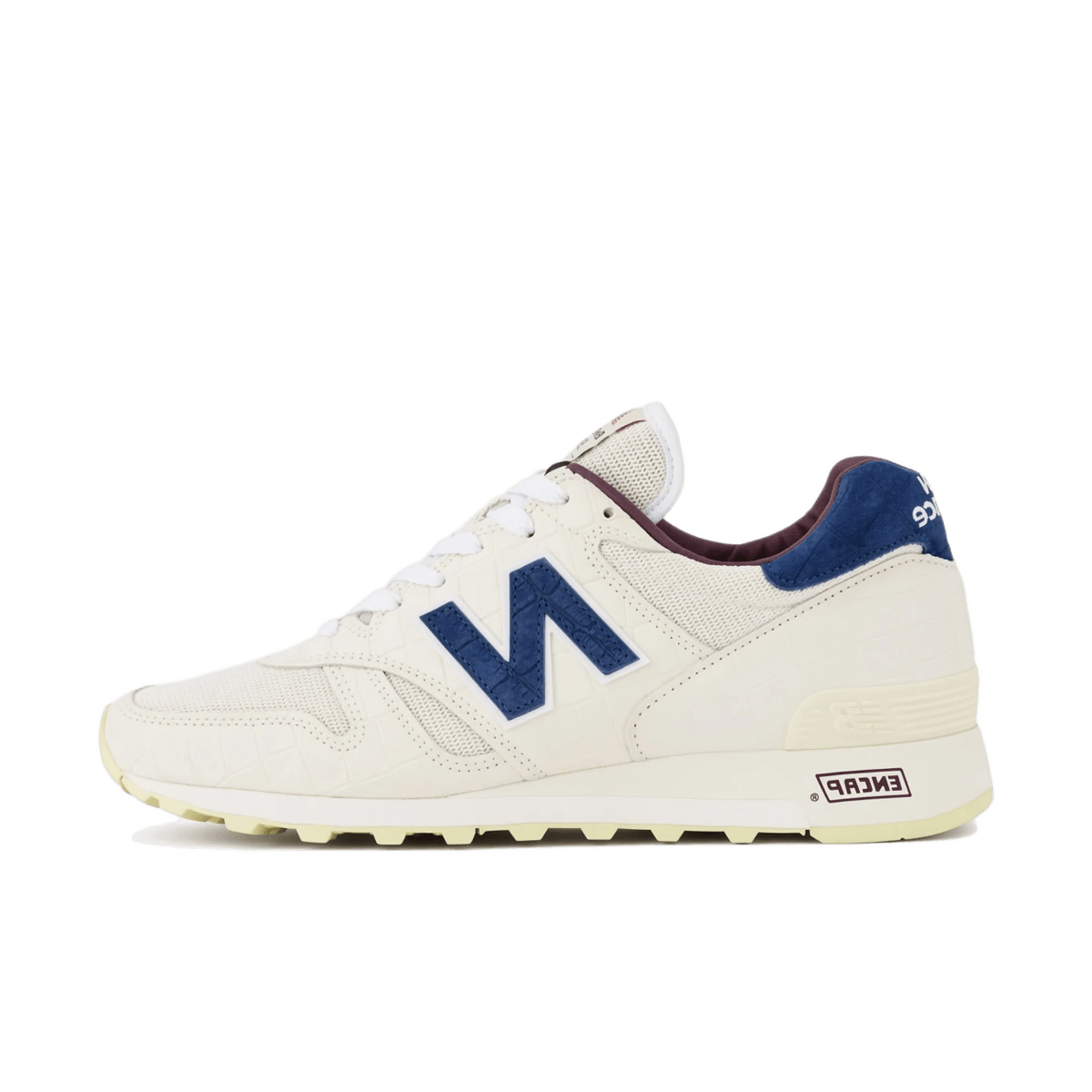
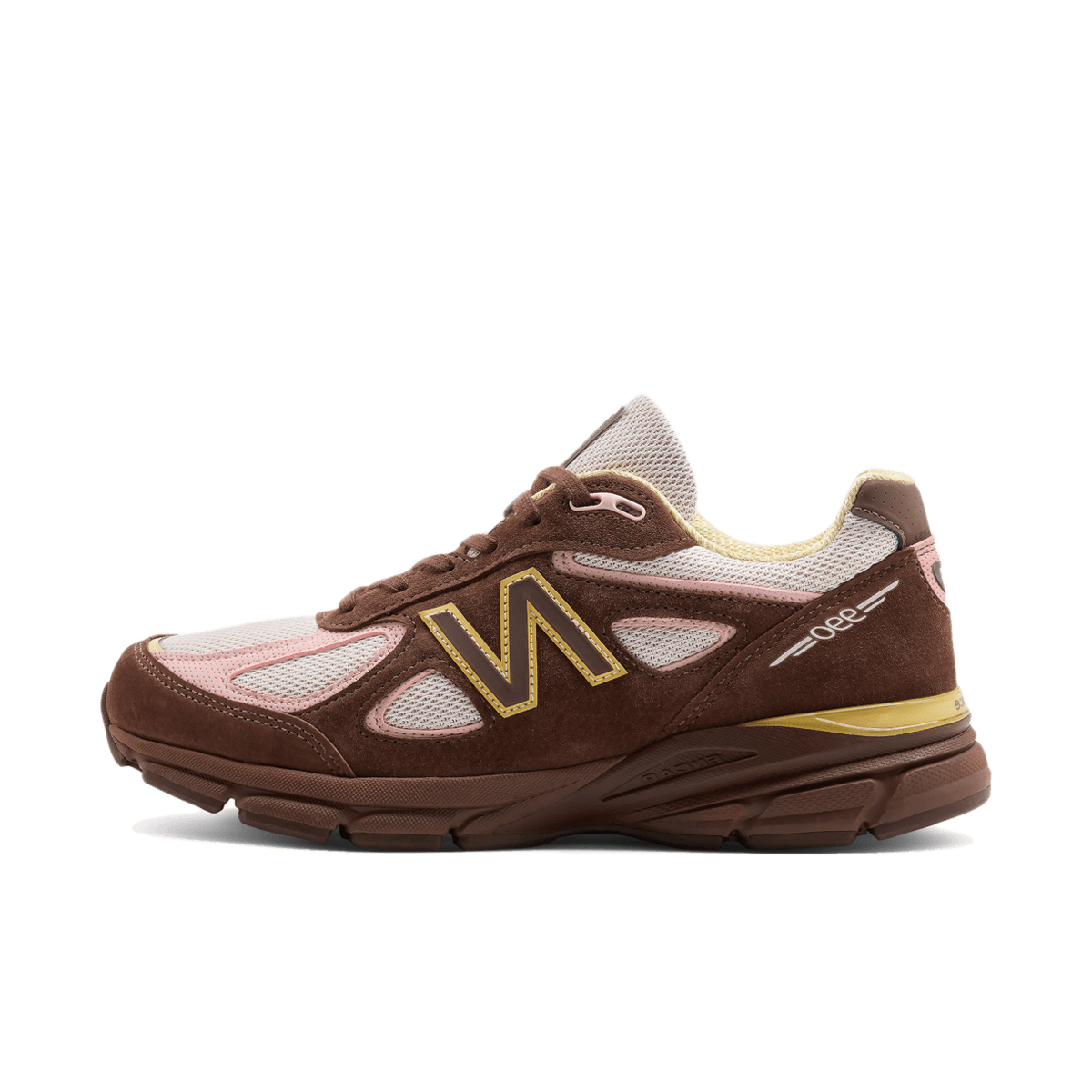
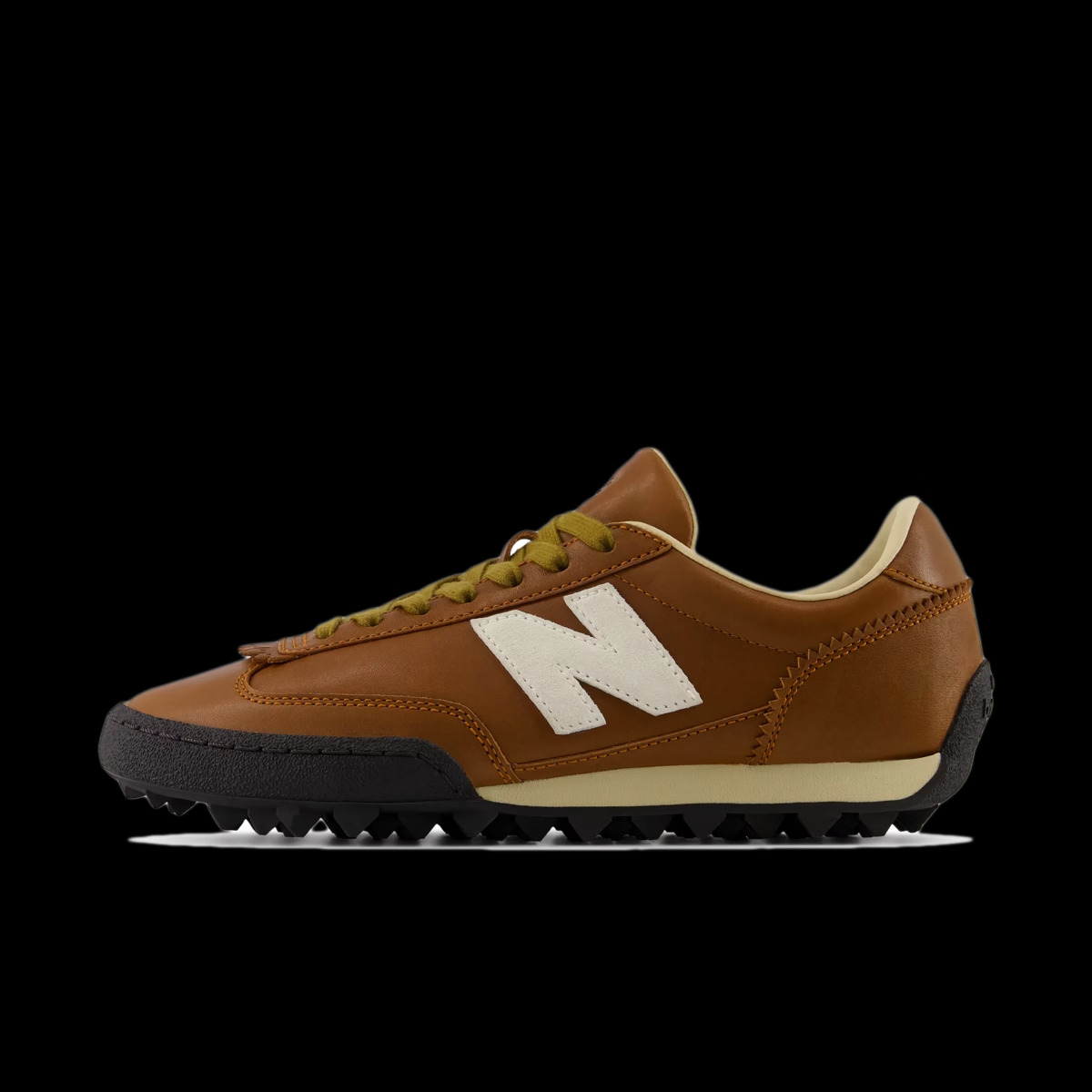
Upcoming Releases
See all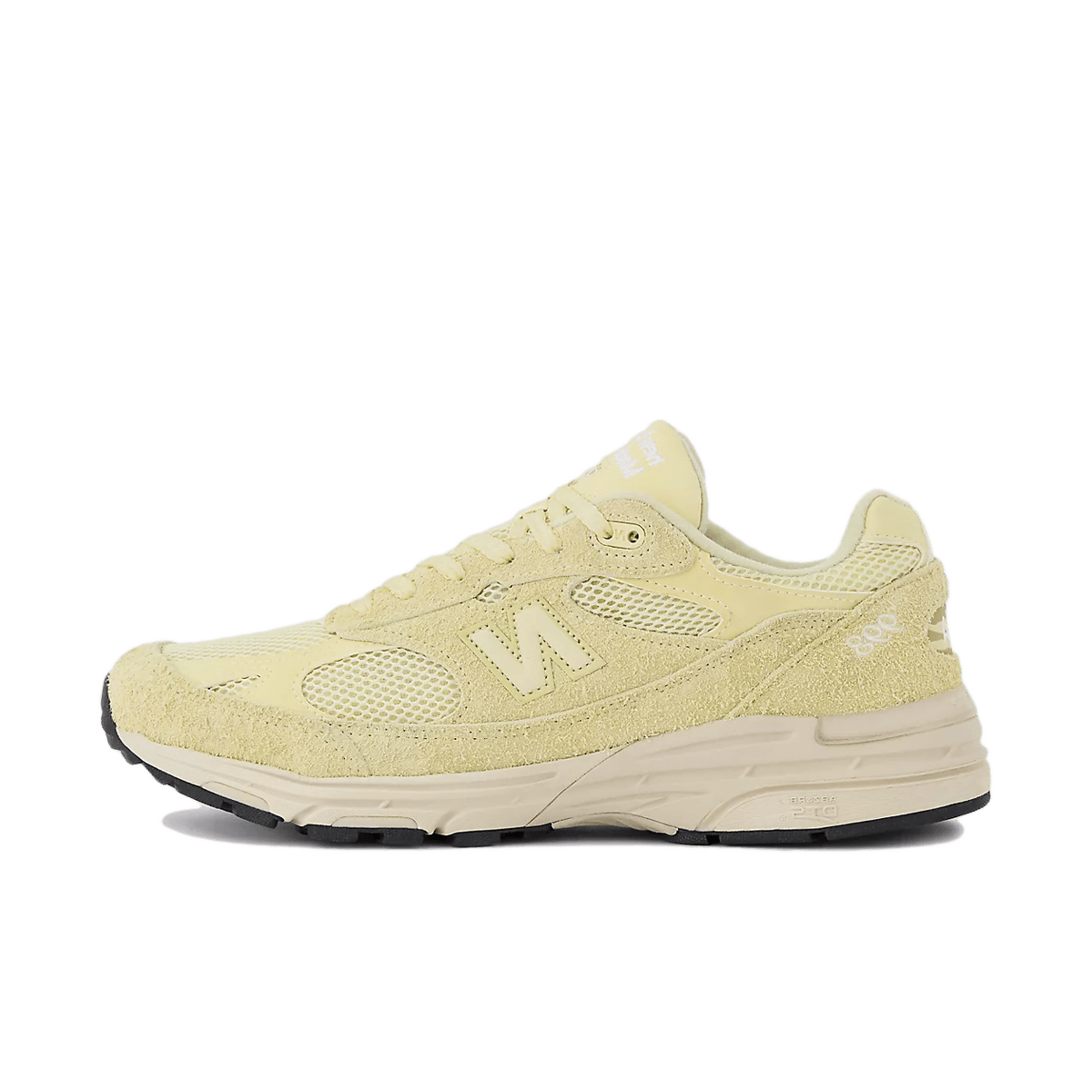
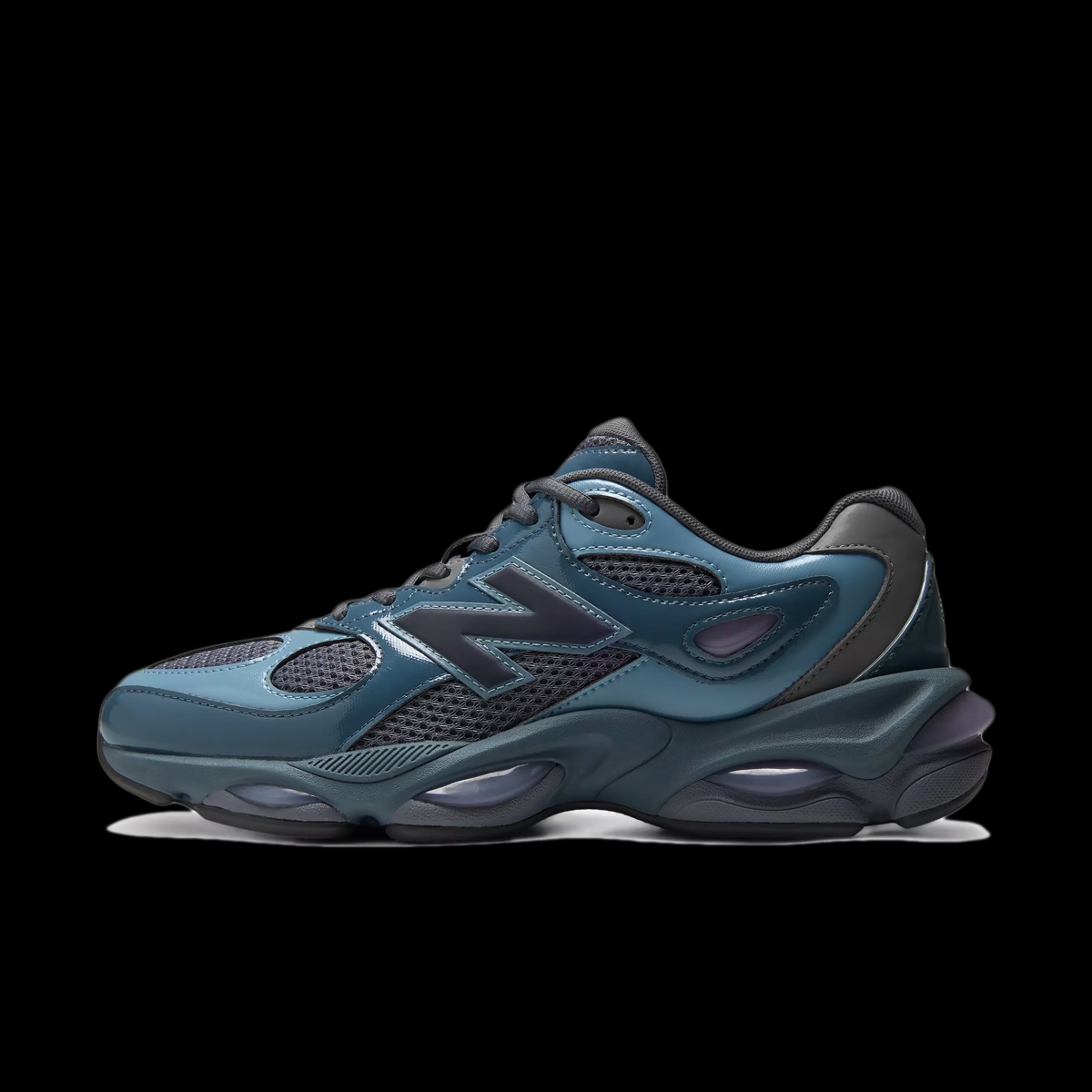
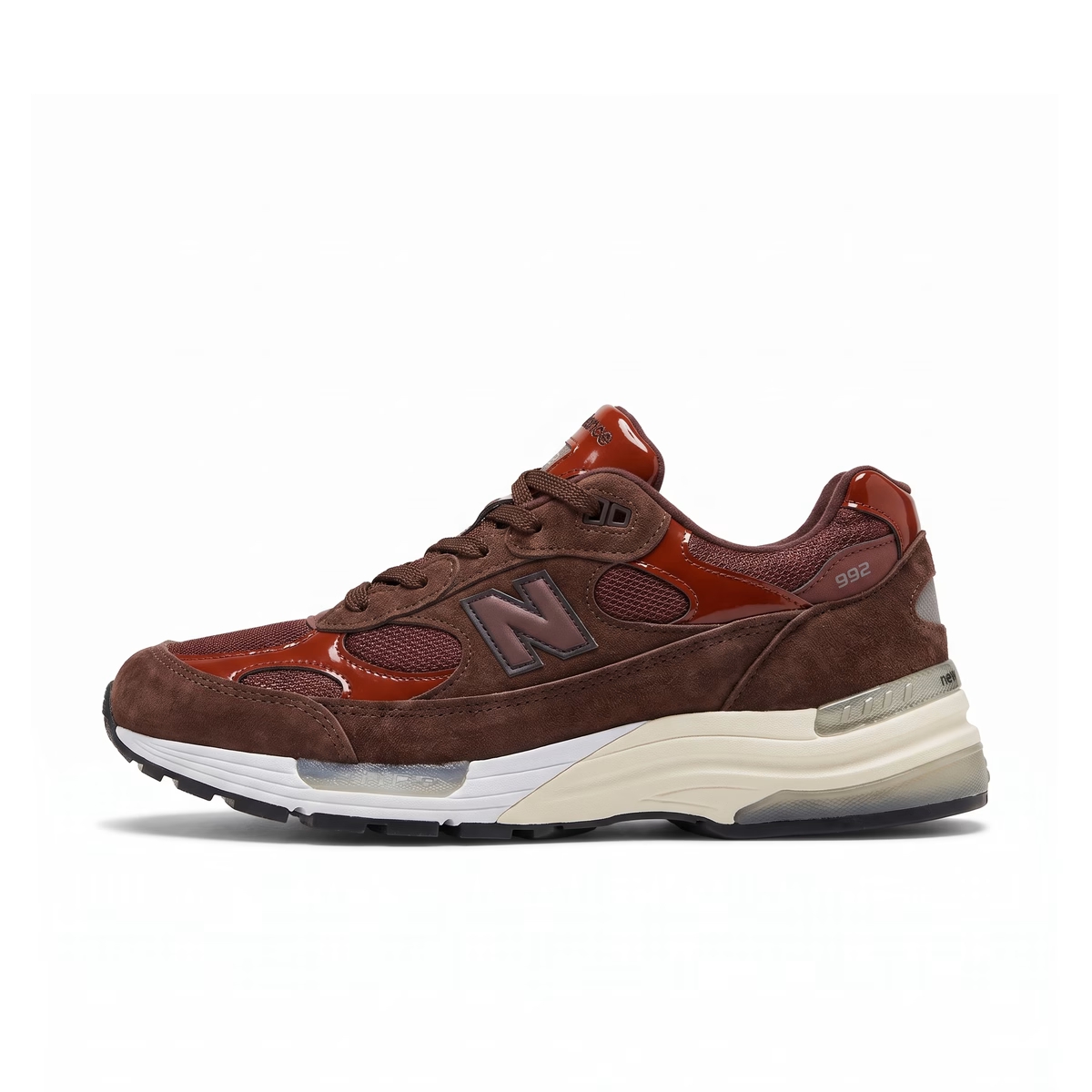
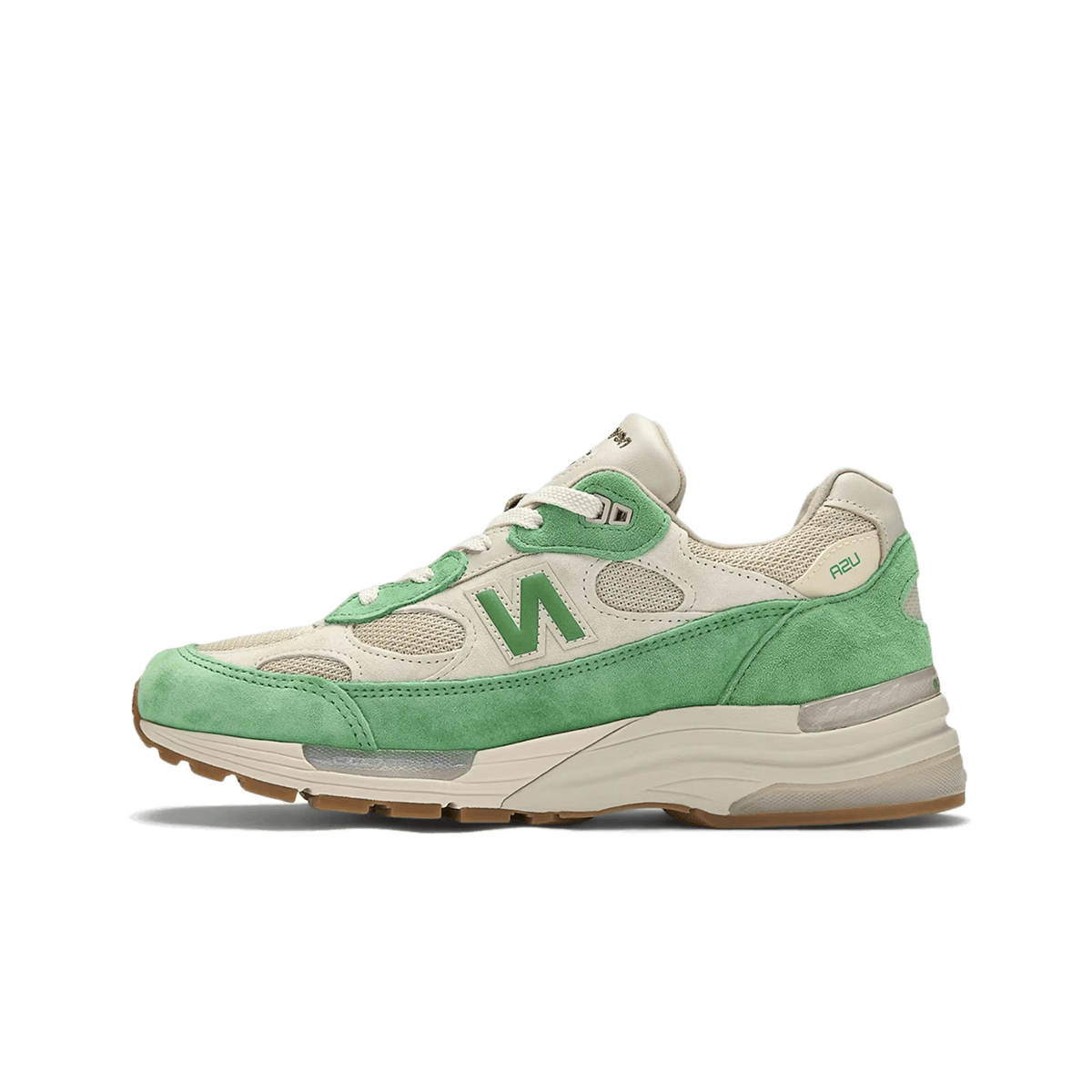
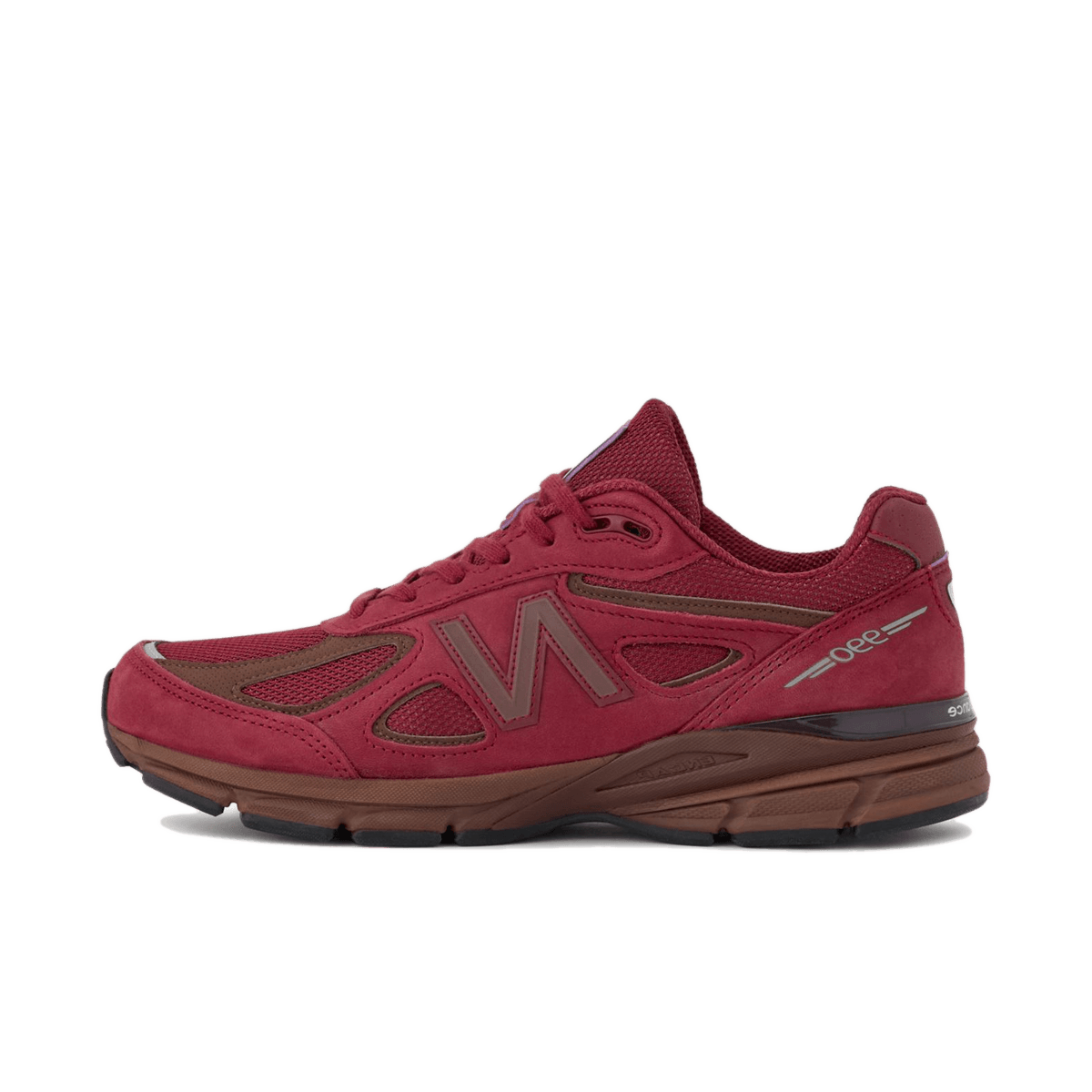
Resell
See all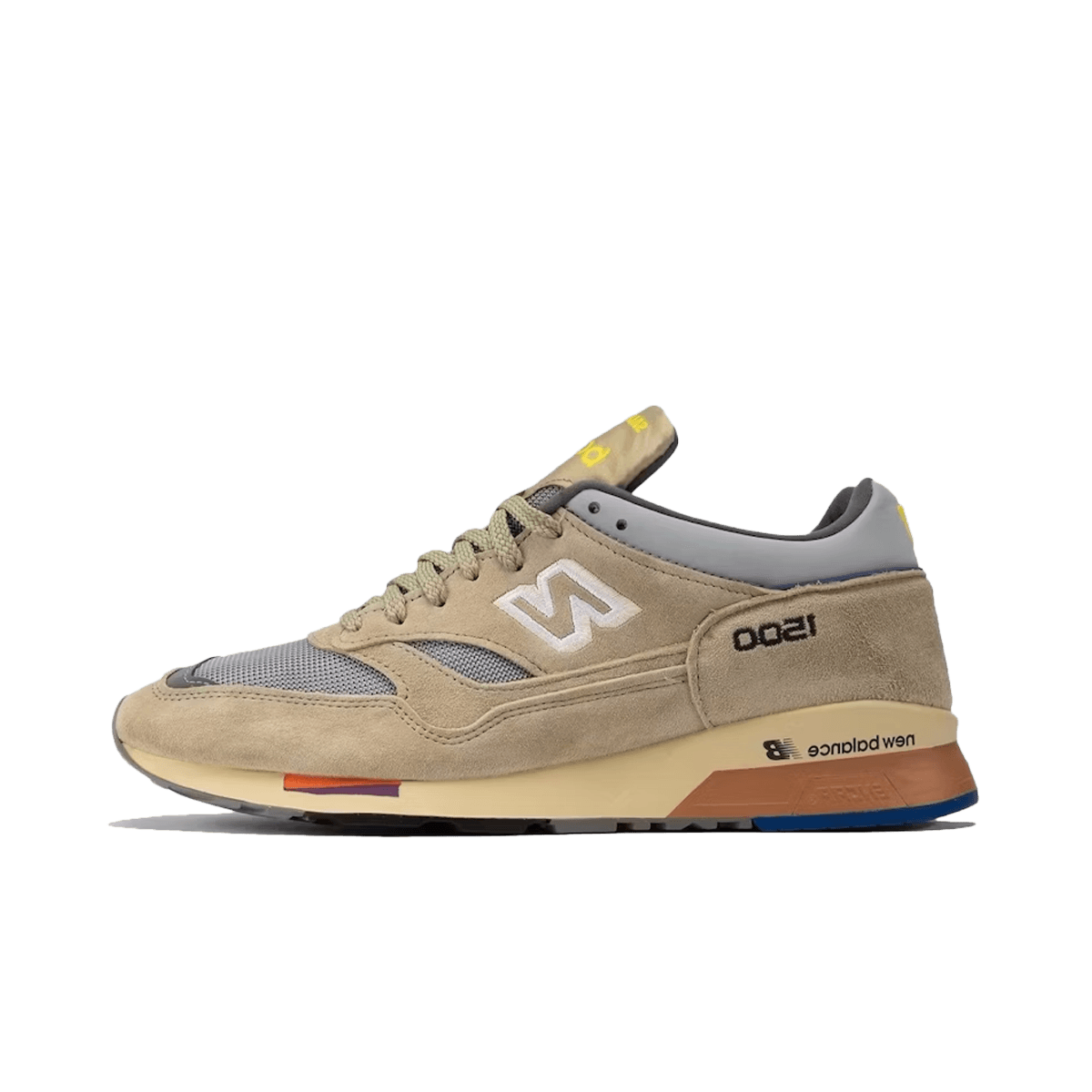
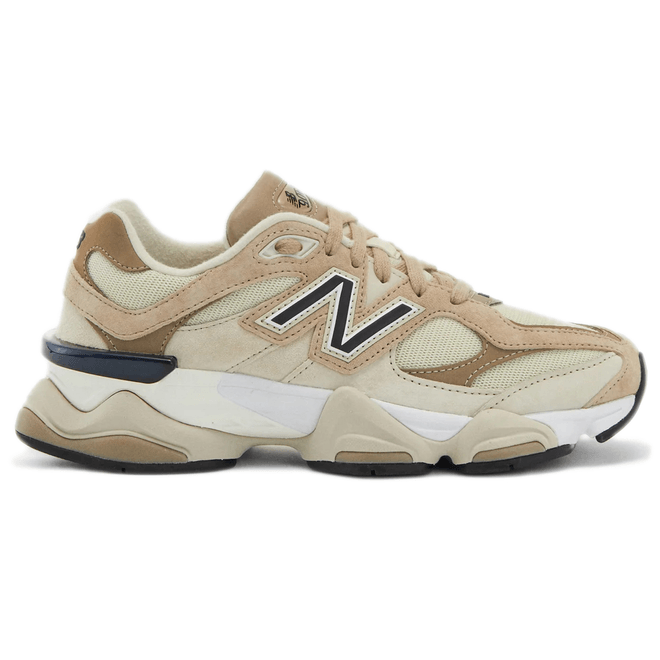
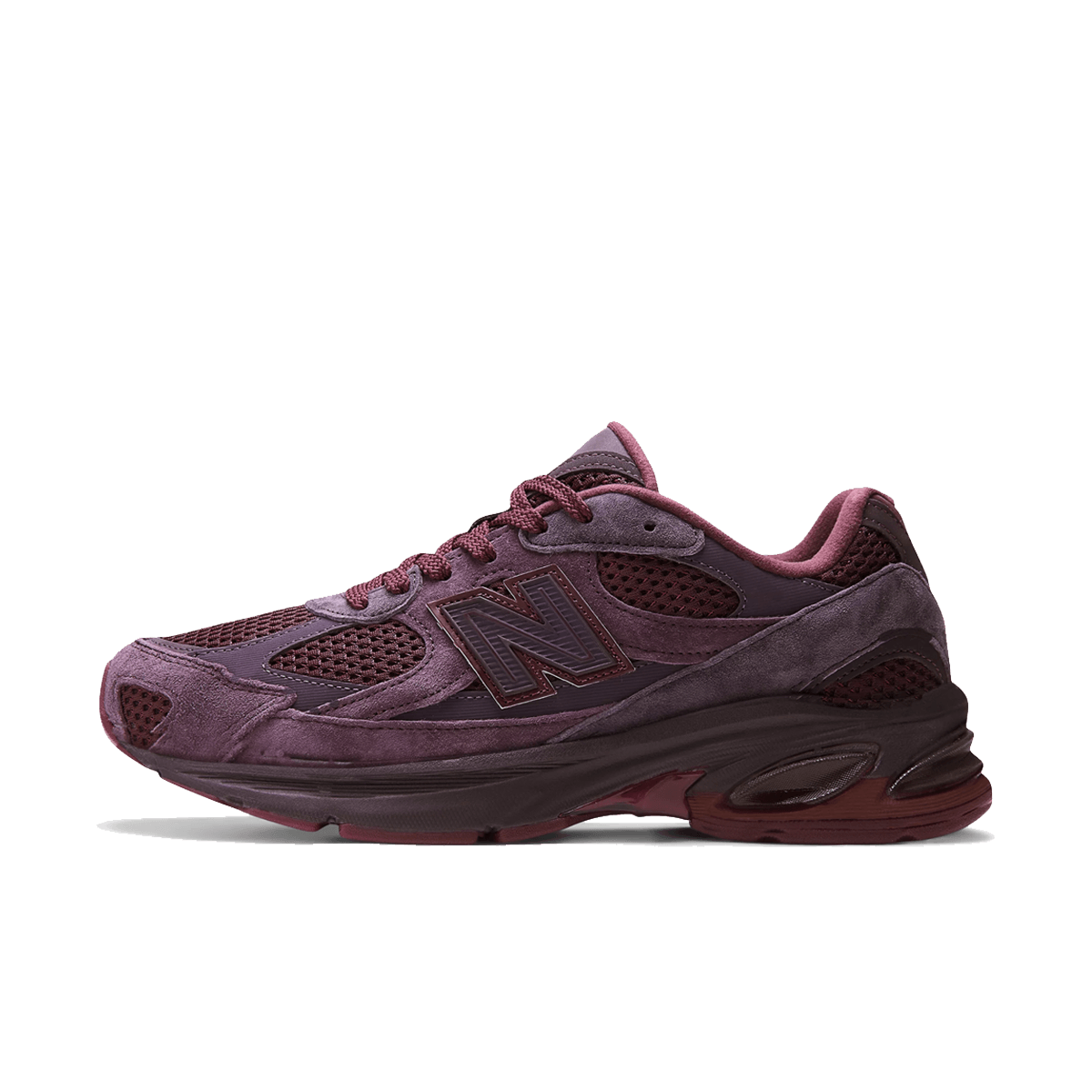
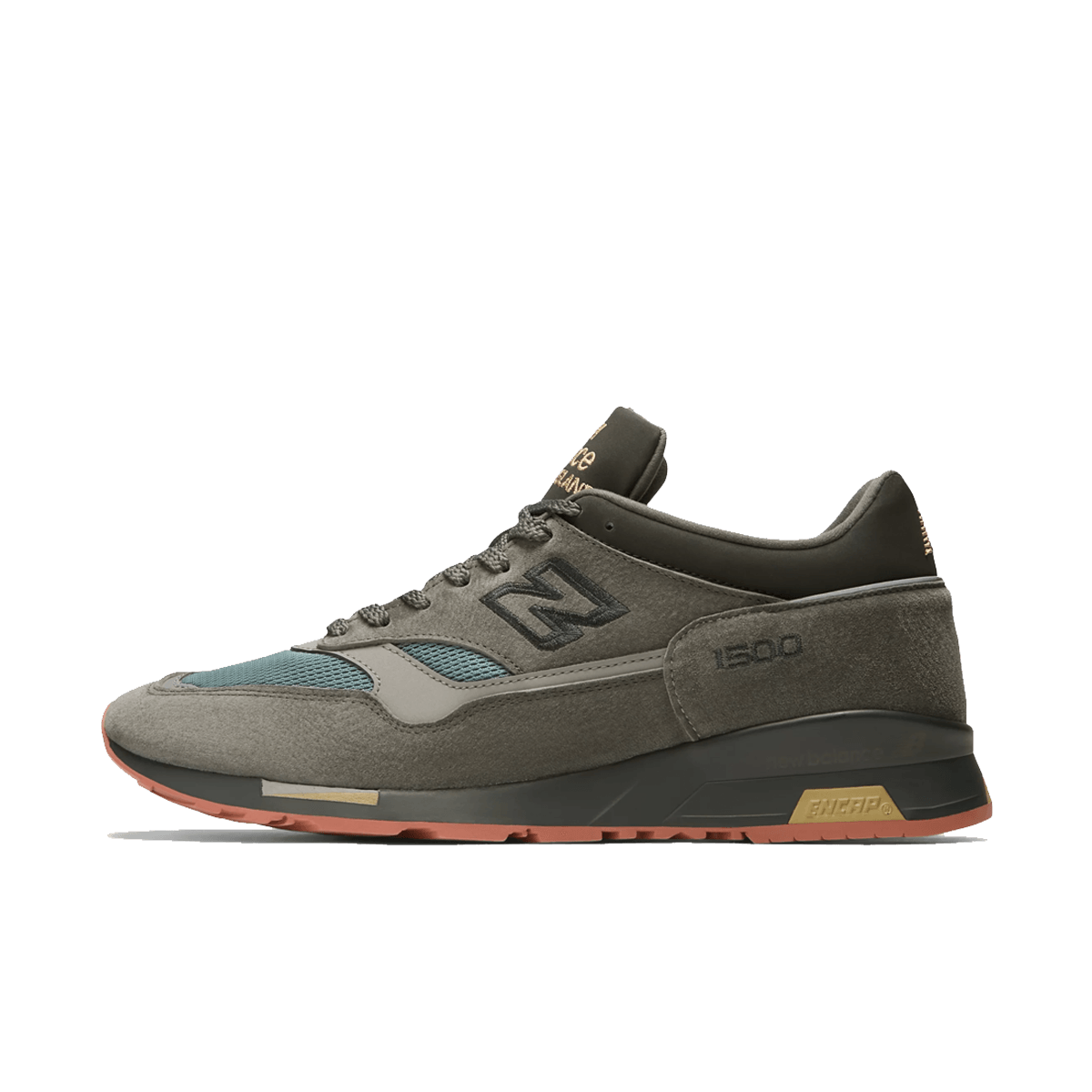
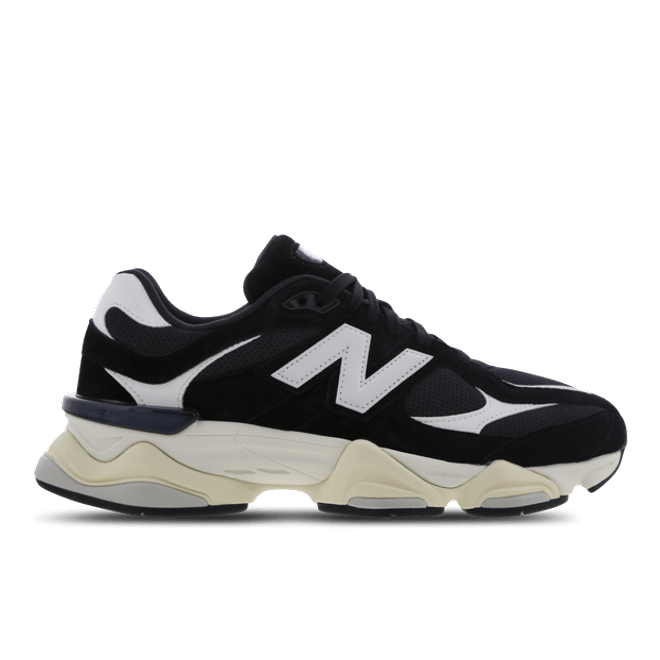
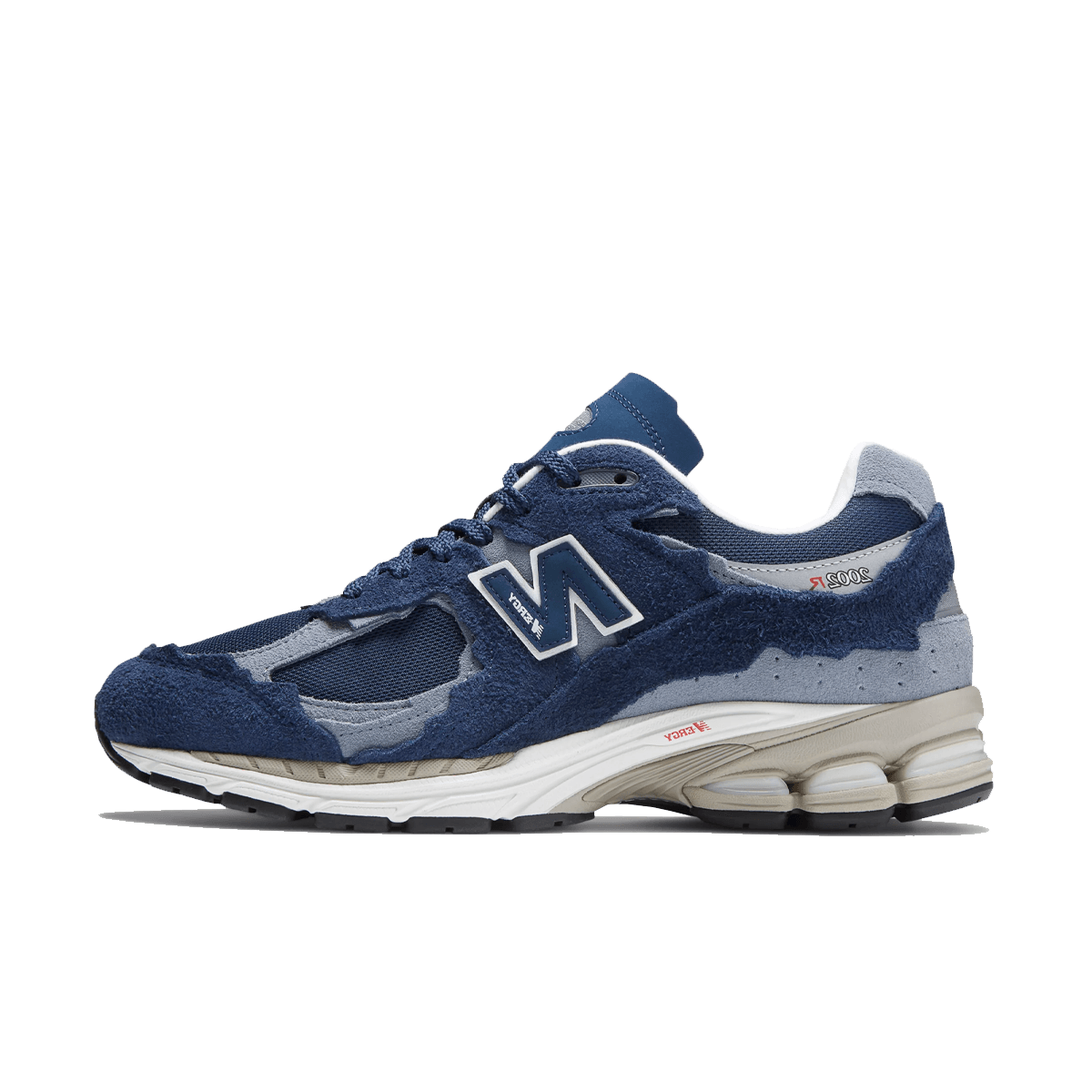
Steals
See all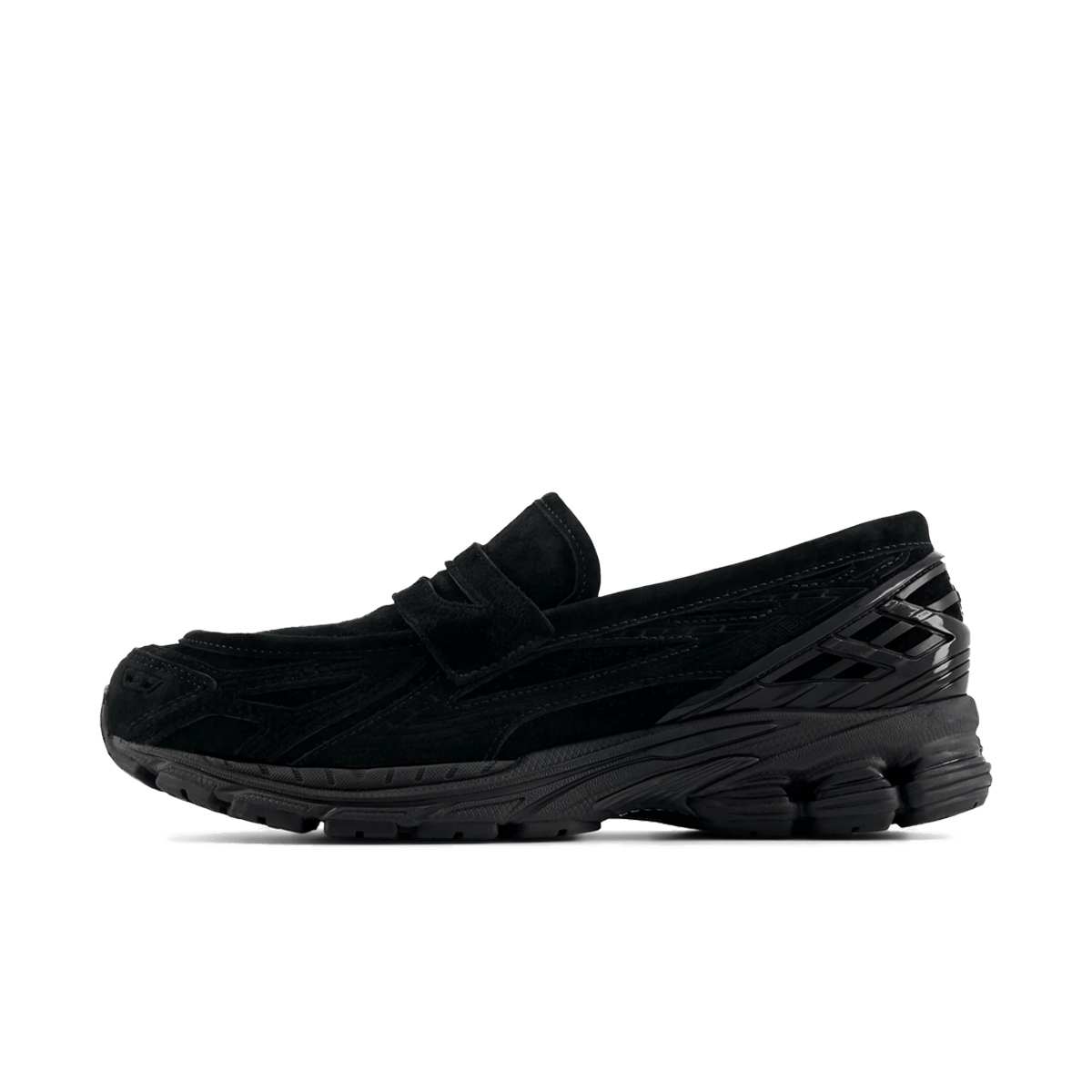
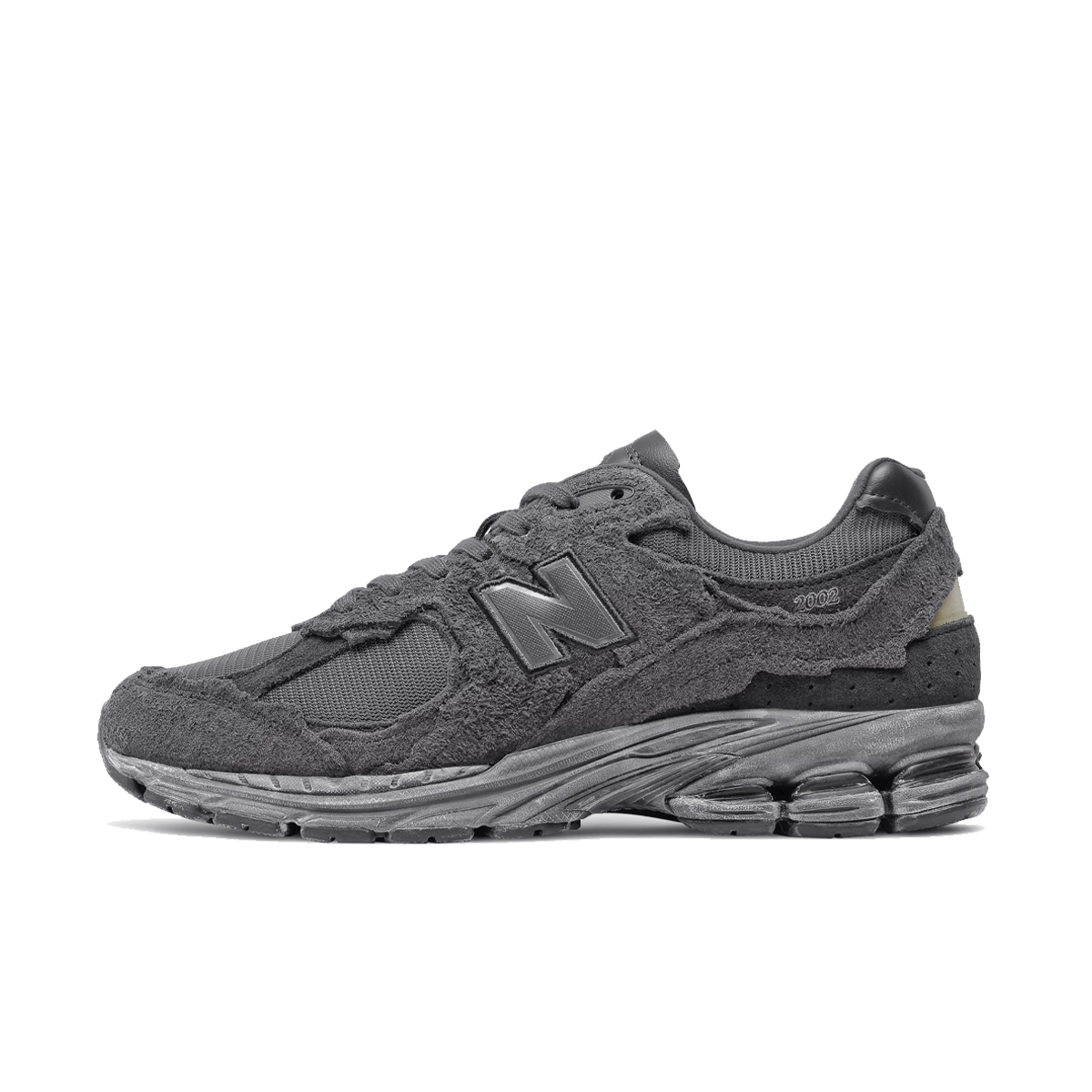
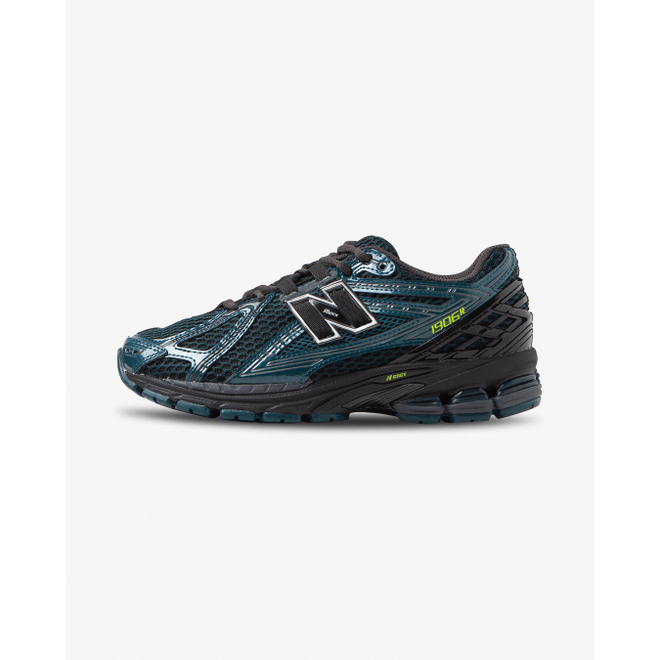
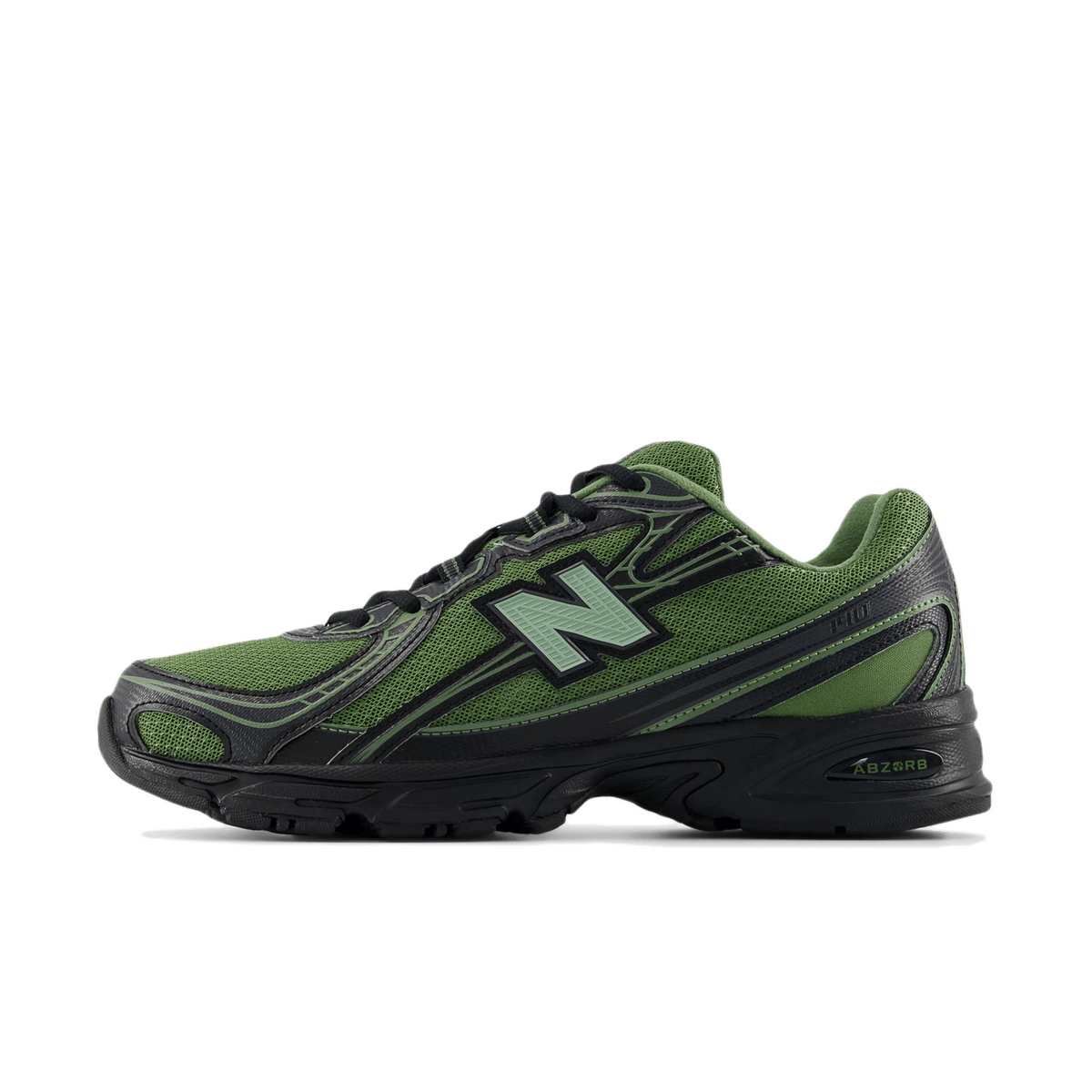
Sneaker Design & Technology
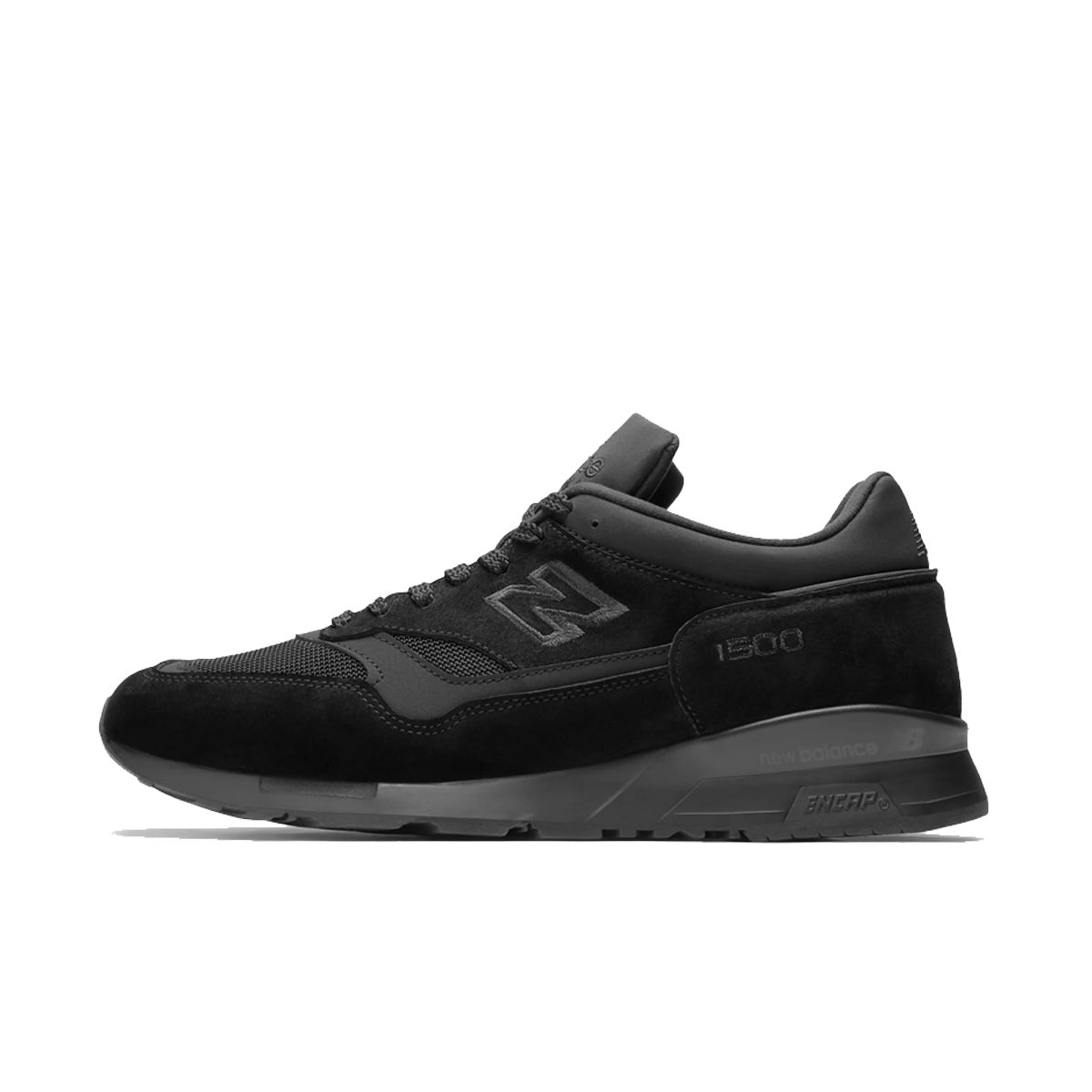
In designing sneakers, New Balance focuses on comfort and fit. They use advanced cushioning technologies like ENCAP and Fresh Foam to provide excellent shock absorption and support. For athletic activities as well as everyday wear, consumers want footwear that can be worn for extended periods.
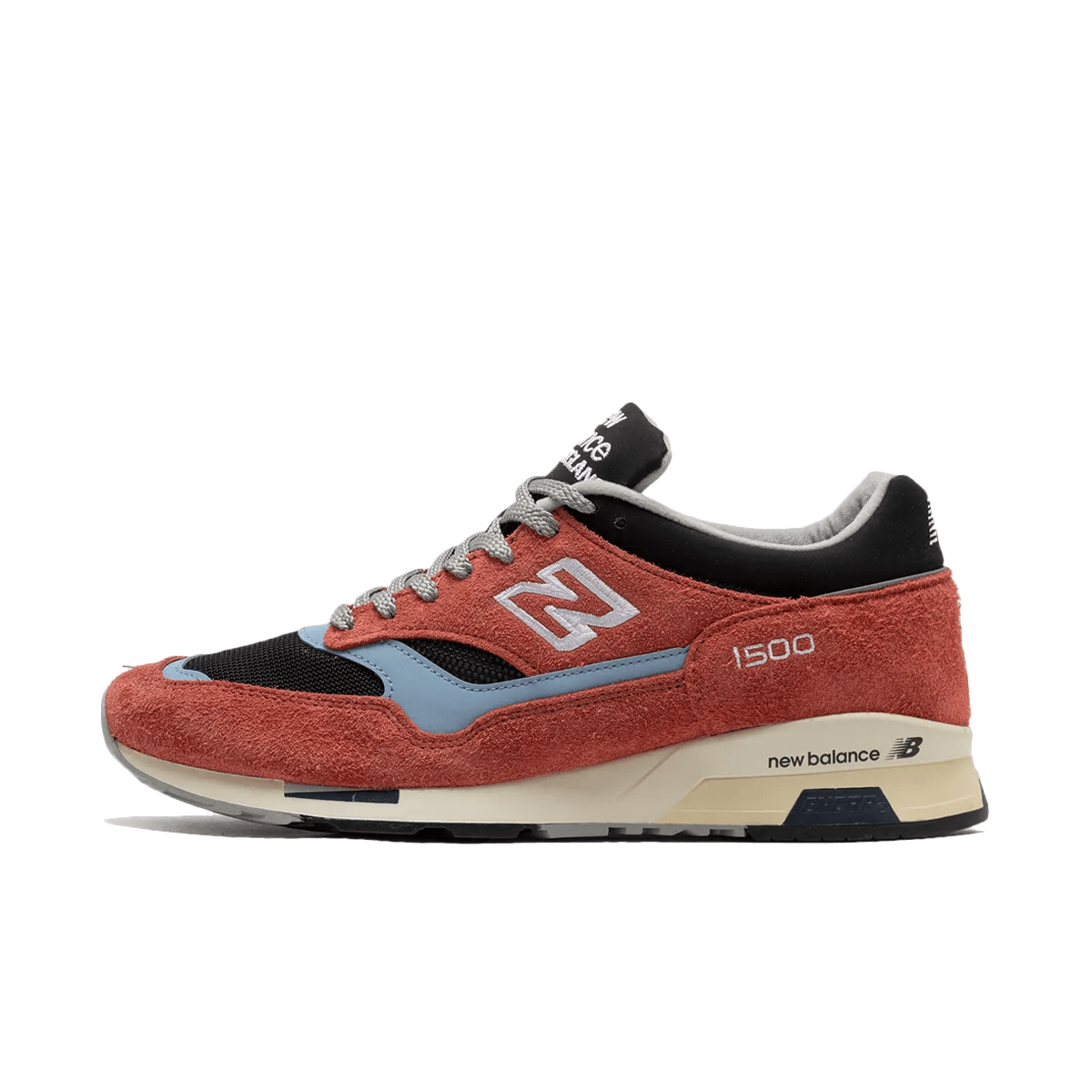
In addition to focusing on performance, New Balance has also created stylish and versatile sneakers. Through collaborations with fashion designers and influencers, the brand has enhanced the aesthetic appeal of its sneakers, making them popular in both athletic and casual settings. A wide selection of colourways and designs are available, allowing individuals to express their individual style.
The History of New Balance
1906
Originally called the New Balance Arch Support Company, it was based in Boston, Massachusetts, and focused on providing orthopaedic shoe accessories.

1961
The world's first running shoe with a ripple sole, created for optimal track traction, is New Balance's Trackster. College track teams start to favor this model since it was one of New Balance's initial successes.
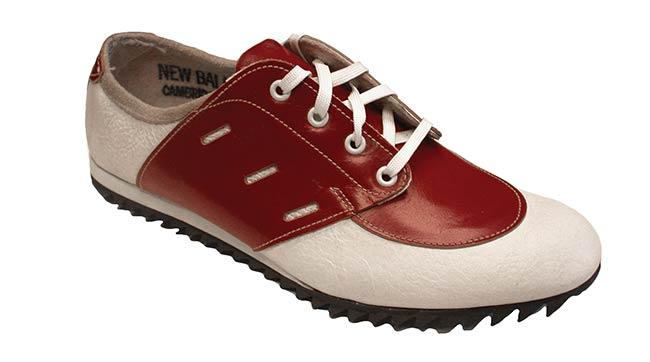
1976
New Balance releases the '320,' a lightweight, cushioned shoe made especially for runners.
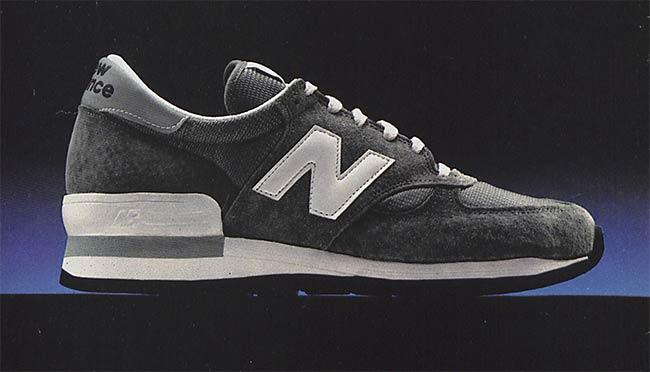
1980s
The 1982 release of the '990', one of New Balance's most recognizable and durable models, is notable for being the first to utilize high-quality materials and for its supportive design. In 1988, the '574' gained popularity in the sneaker market as a lifestyle sneaker that combined performance and style.
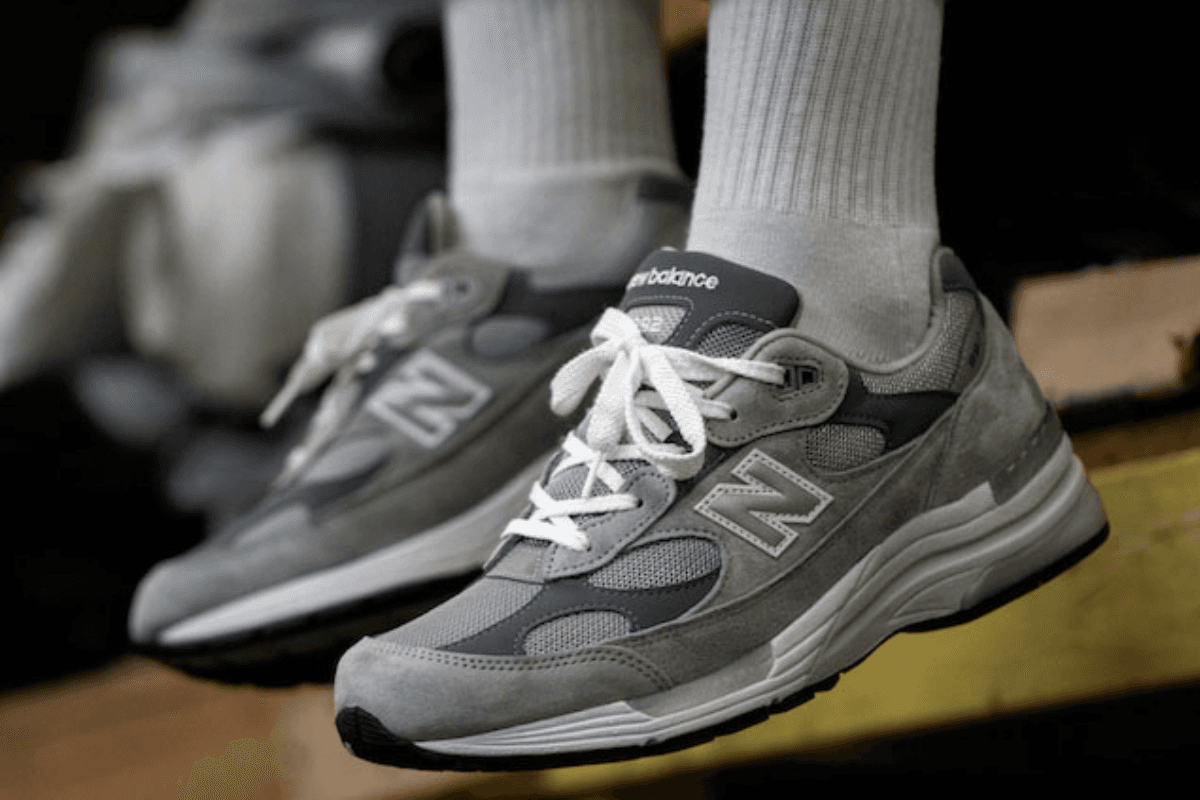
2006
The iconic '992' running shoe, which is manufactured in the United States, is a symbol of New Balance's dedication to home production.
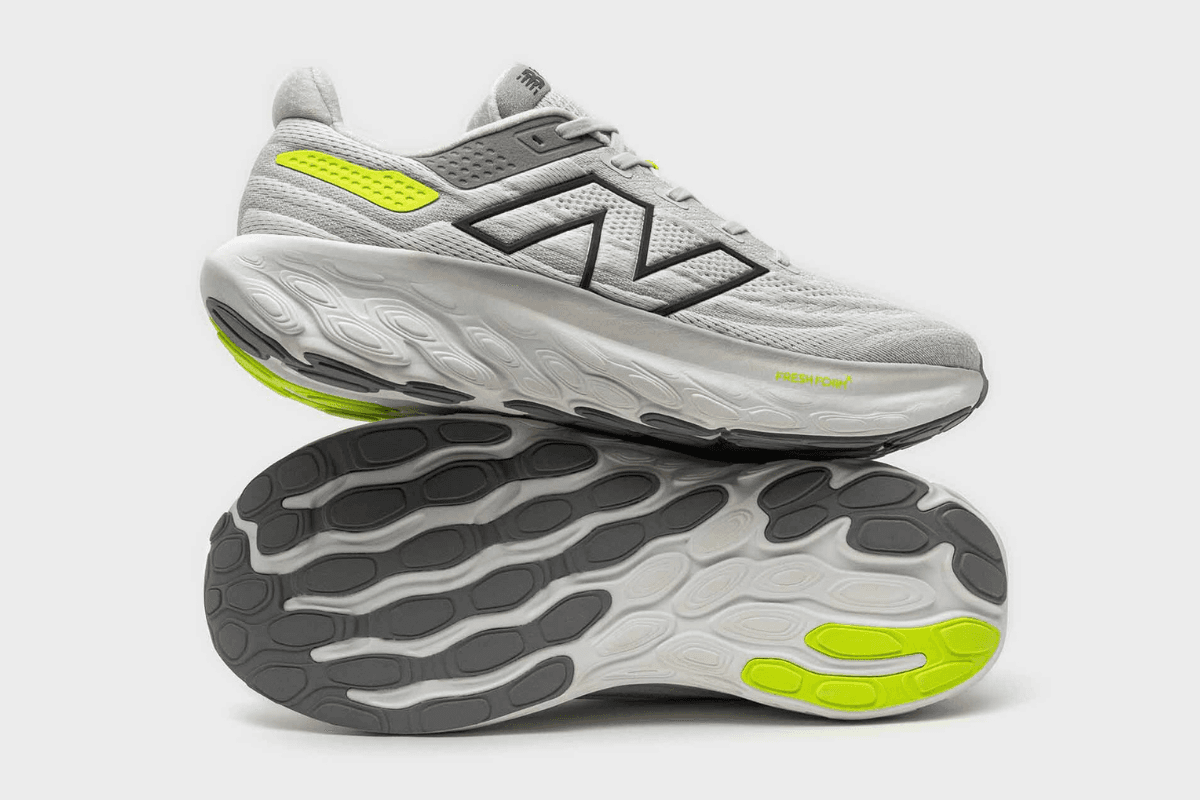
2010s
With the introduction of Fresh Foam technology, New Balance running shoes now offer an increased level of support and cushioning.
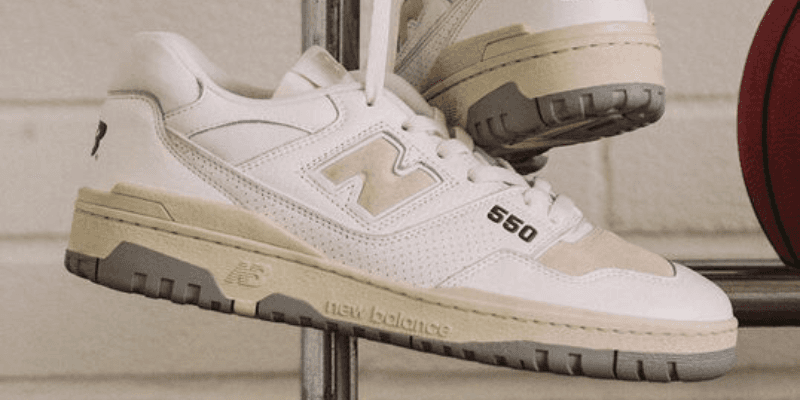
New Balance Today
Eco-friendly procedures and materials are used in New Balance's production processes as part of their dedication to sustainability. By cutting waste, sourcing ethically, and investigating ecologically friendly manufacturing techniques, they prioritize responsible sourcing. Consumers who respect making morally and environmentally responsible decisions have embraced the brand's dedication to sustainability.
Did you know?
William Riley, the company's founder, came up with the name "New Balance" after observing hens in his backyard and determining that a foot with three toes offered the best support for the body. In response, the business took Riley's findings into consideration and began producing arch supports with three prongs.
.png&w=3840&q=75)

Follow us




Disclaimer: When you click on links to various online stores on this site and make a purchase, this can result in The Drop Date earning a commission.
© 2026 The Drop Date — All rights reserved